Improvement of Mediterranean greenhouses performance using innovative plastic materials, natural additives and novelty irrigation technologies

Project Statement
In Mediterranean greenhouses, natural ventilation and whitewashing are common methods for climate control, but greenhouse heating is essential for crop production and efficiency. Heating costs impact profitability and industry survival. Current systems are inefficient, and root zone heating is becoming popular for energy savings. This method heats plants’ roots and crowns better, providing up to 75% of total heat needs. However, root zone heating requires high CAPEX and OPEX, as well as high maintenance costs and energy consumption.
Project Summary
AZMUD strengthens the performance of Mediterranean greenhouses using seven integrated innovations, including biodegradable films, controlled-release natural pesticides, magnetic water treatment, low-energy drip irrigation (LEDI), root-zone Joule heating systems, semi-transparent flexible photovoltaic modules, and ICT-based smart farming tools.
The project demonstrates these technologies across Spain, Jordan, and Egypt to reduce water consumption, enhance crop productivity, decrease energy demands, and introduce environmentally friendly alternatives in protected agriculture.
Project Objectives
- Reduce water, energy, nutrients, and pesticide use in greenhouses.
- Improve crop productivity through integrated technological solutions.
- Develop biodegradable agricultural films with >3-month lifespan inside greenhouse conditions.
- Produce natural and encapsulated biopesticides with controlled release up to 90 days.
- Improve irrigation efficiency using LEDI systems and magnetic units.
- Use semi-transparent PV modules to supply greenhouse energy needs.
- Optimize smart control of greenhouse climate, pests, irrigation, and fertigation.
To achieve the objectives listed, the project achieved the following key outcomes:
- Up to 25–35% improvement in water productivity using magnetic systems.
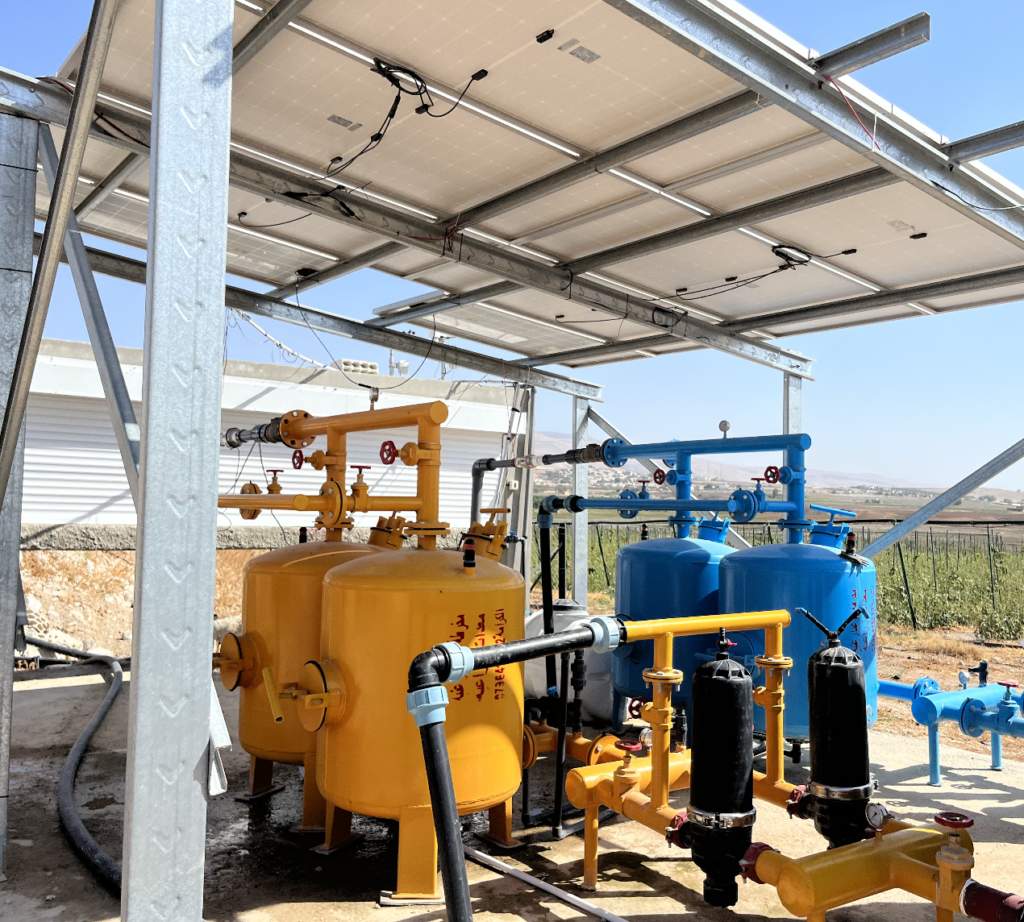
- Up to 50% reduction in pumping energy with LEDI irrigation.
- Reduction of pesticide treatments from 3 to 1 application, via controlled-release encapsulation.
- Biodegradable films that meet EN 17033 standards and last over 3 months.
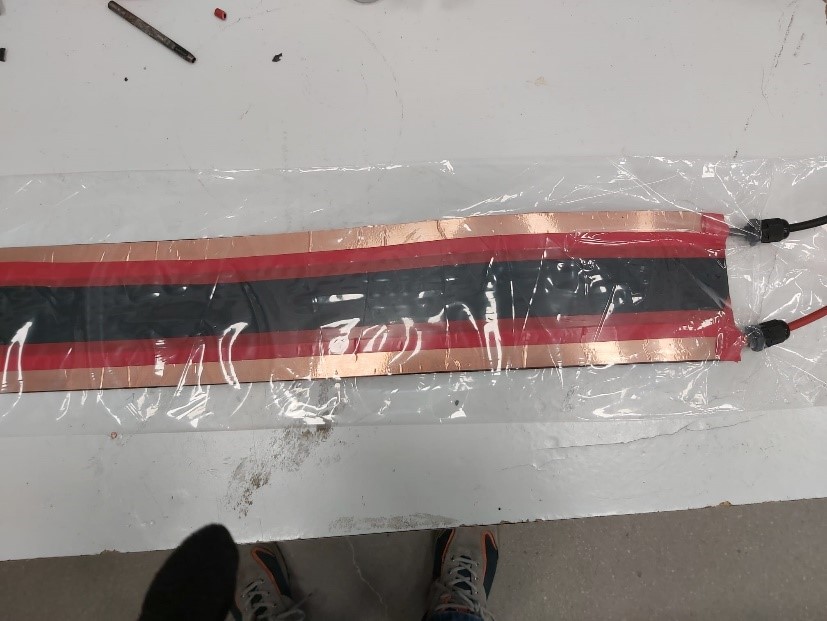
- Root-zone Joule heating system providing local, efficient heating with 40% less energy use.
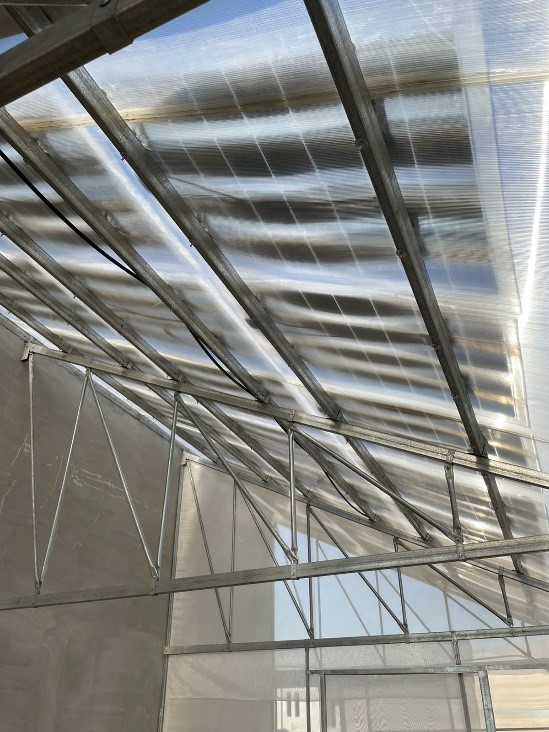
- Semi-transparent PV modules designed for greenhouses with flexible polymer-based sheets.
Project Activities
1. Needs Assessment & Design :
- Identify farmers’ technical, economic, and market needs for greenhouses.
2. Technology Development
- Magnetic irrigation units and seed treatment.
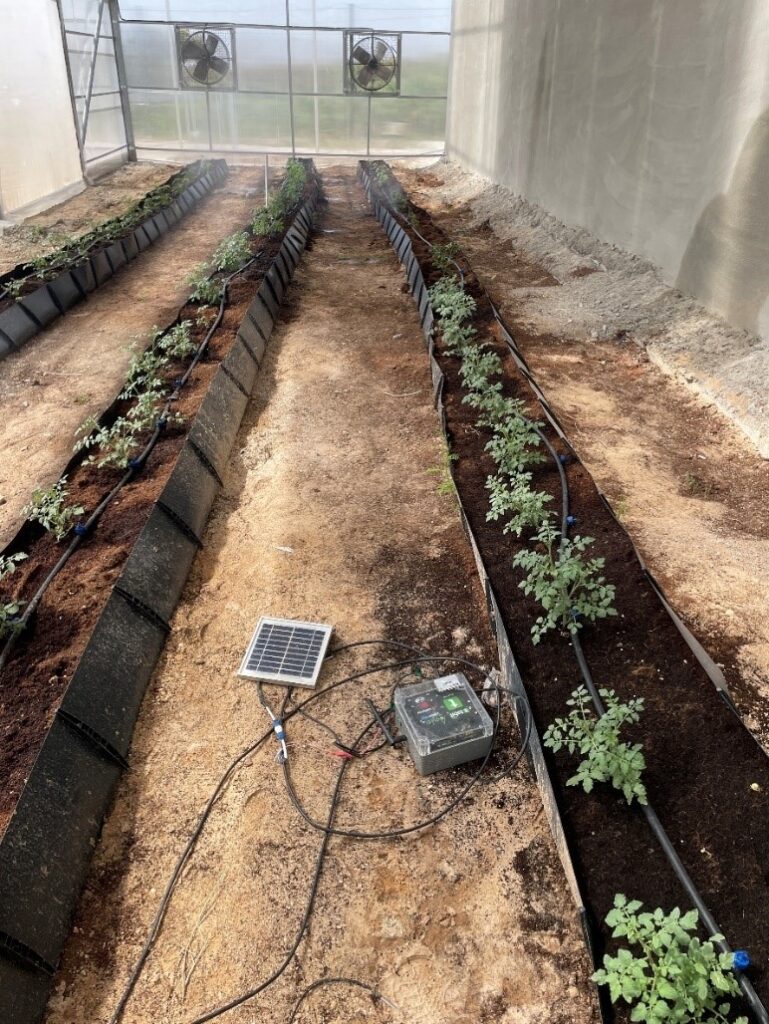
- Joule-effect root heating system.
- Semi-transparent PV modules.
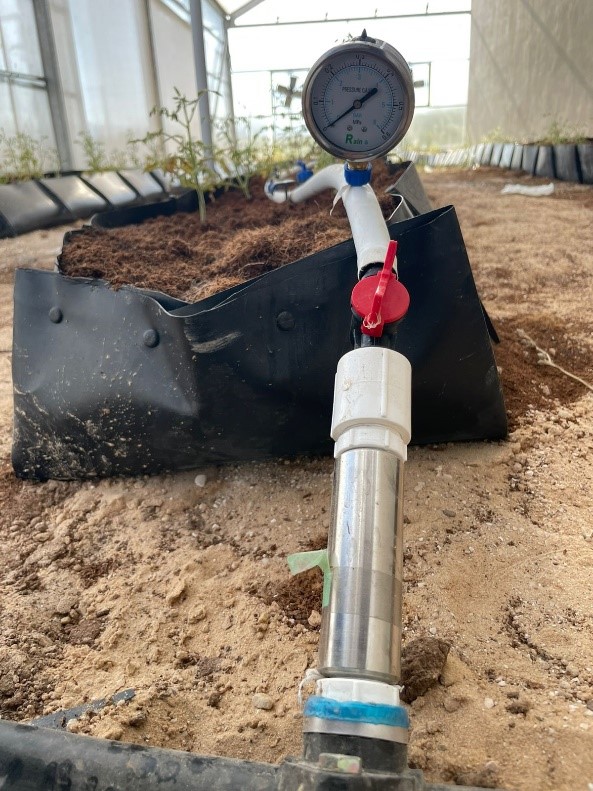
- Low energy drip irrigation system.
- Natural botanical pesticides & encapsulated biopesticides.
- Biodegradable agricultural films.
3. ICT Smart Farming Development
- Wireless climate sensors.
- Decision Support System (DSS).
- Mobile application for greenhouse management.
4. Scale-Up & Demonstration
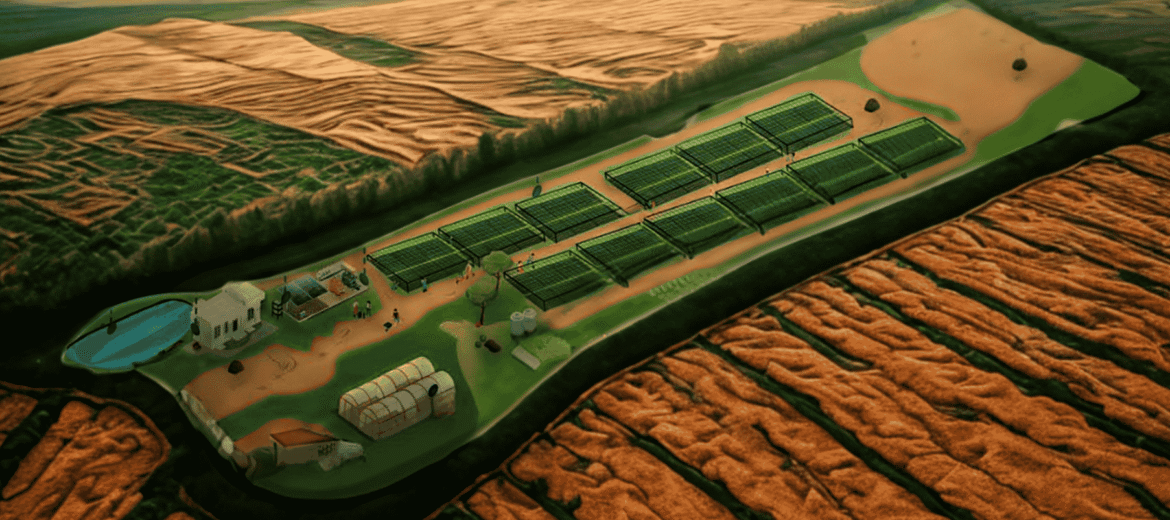
- Implementation and validation in real greenhouses in Egypt, Jordan, and Spain.
Crops include tomato, pepper, lettuce, and cucumber.
5. Environmental, Social & Economic Analysis
- Evaluate adoption, sustainability, social acceptance, and regulatory compliance.
6. Dissemination & Business Planning
- Workshops, training, commercialization pathways, and stakeholder engagement.
Project Impact According to OECD-DAC Evaluation Criteria
Project Relevance
Addresses key challenges in Mediterranean protected agriculture: water scarcity, high energy costs, pesticide overuse, and plastic pollution.
Project Effectiveness
Introduces 6 integrated technologies proven under real greenhouse conditions.
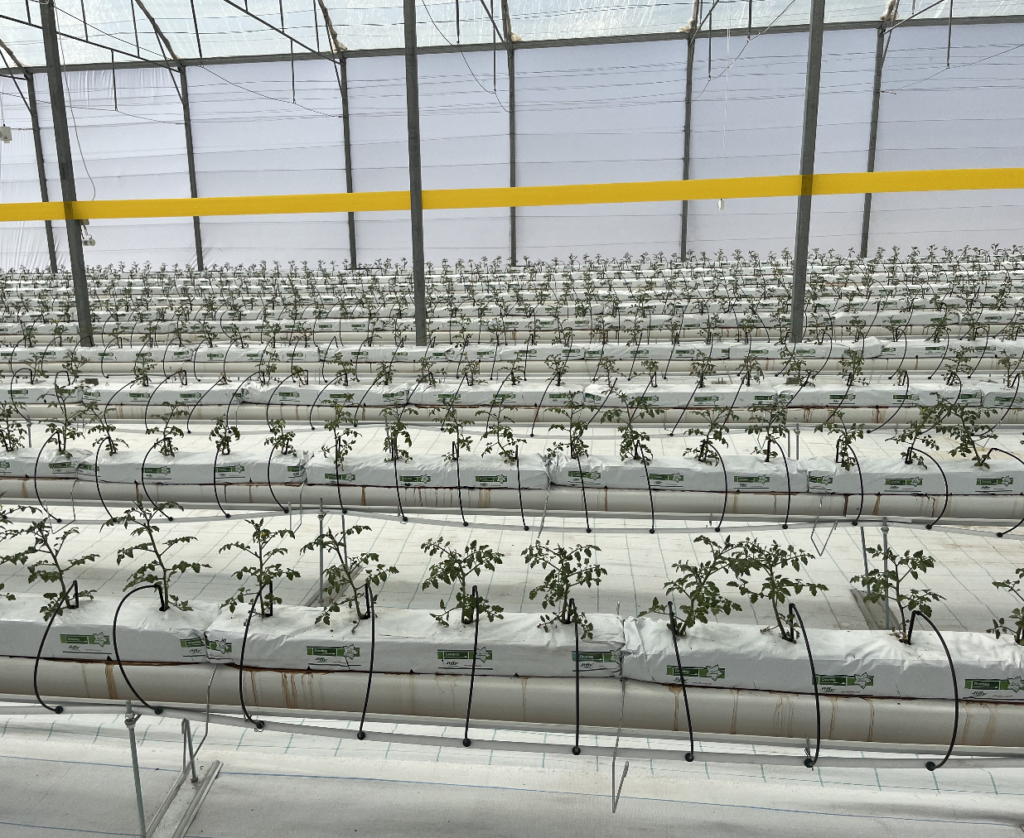
- Root heating based on the Joule effect is integrated into hydroponic systems
- Semi-transparent flexible photovoltaic modules to be placed over the greenhouse structure
- Magnetic water and seed technologies
- Natural encapsulated pesticides
- Biodegradable agriculture films with a resistance > 3 months in extreme greenhouse environments
- Low energy drip irrigation systems
Project Efficiency
Low-cost innovations such as LEDI, biodegradable films, and magnetic units reduce operational costs and energy needs.
Project Impact
The AZMUD project delivers measurable improvements to Mediterranean greenhouse sustainability through integrated innovations that reduce resource use, improve productivity, and promote safer farming practices.
Environmental Impact
- Significant reduction in pesticide use through natural and controlled-release biopesticides.
- Lower plastic pollution with biodegradable agricultural films.
- Higher water-use efficiency using magnetic treatment and LEDI irrigation systems.
- Reduced carbon footprint through renewable PV modules and energy-efficient heating.
Economic Impact
- Lower operational costs due to reduced irrigation frequency, fewer pesticide applications, and up to 50% energy savings.
- Improved crop yield and quality, enhancing farmers’ profitability.
- Creation of new market opportunities for renewable energy, irrigation, and bioplastic technologies.
Social Impact
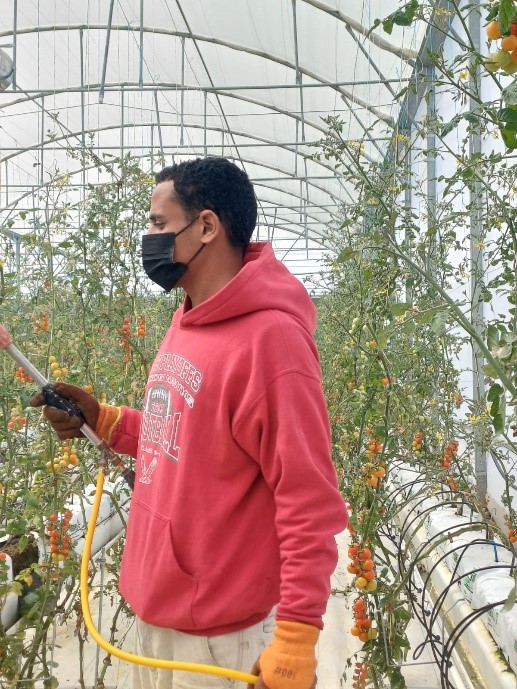
- Safer working environments with reduced chemical exposure—especially benefiting women and youth working in greenhouses.
- ICT and smart farming tools improve decision-making and daily management.
- Training and field demonstrations strengthen farmer skills and encourage adoption.
Scientific & Technological Impact
- Validated data proving the effectiveness of integrated greenhouse technologies.
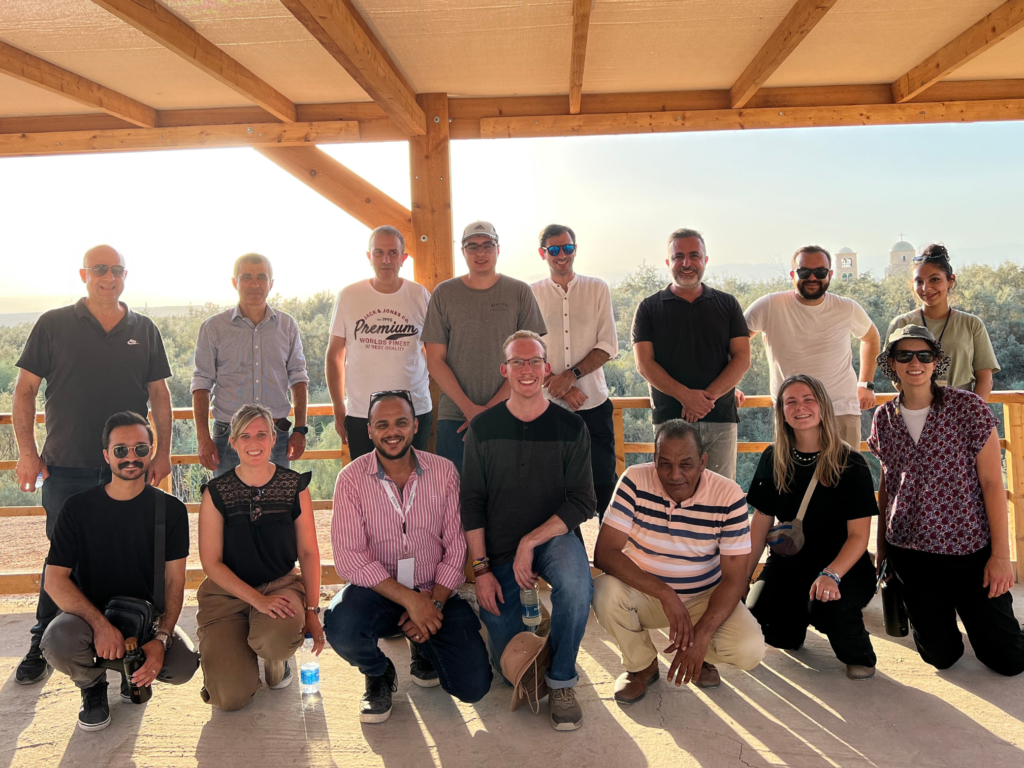
- Stronger collaboration among research and industry partners in Spain, Jordan, and Egypt.
- Advancement of climate-smart, resource-efficient greenhouse models.
Policy Impact
- Supports national and regional strategies on water efficiency, clean energy, and reduced plastic use.
- Provides evidence-based solutions that can be scaled and integrated into agricultural development plans.
Project Sustainability
The AZMUD project embeds sustainability at multiple levels—technical, environmental, economic, and social—ensuring long-term continuity of its innovations beyond the project duration.
Technical Sustainability
- The developed technologies (LEDI irrigation, magnetic units, Joule heating, PV modules, encapsulated biopesticides, biodegradable films) are modular and can be integrated individually or as a package based on farmers’ needs.
- Systems are designed to require minimal maintenance, making them suitable for small and medium greenhouse farmers across the Mediterranean.
- The ICT platform and DSS can continue to evolve through open-source updates and integration with new sensors or climate models.
Environmental Sustainability
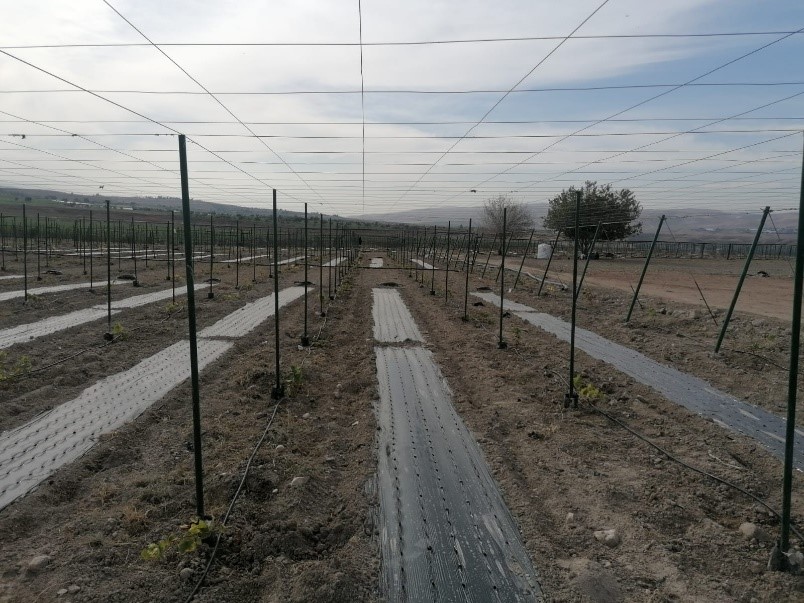
- Replacing conventional plastic mulching with fully biodegradable films reduces soil contamination and microplastic accumulation.
- Natural biopesticides and slow-release formulations significantly reduce chemical residues inside greenhouses and surrounding ecosystems.
- LEDI and PV modules contribute to lower carbon emissions and reduce dependence on fossil-powered pumps or heaters.
- Improved water productivity decreases extraction pressure on groundwater and shared water resources.
Economic Sustainability
Farmers benefit from lower operational costs:
30–50% energy savings
Reduced irrigation frequency
Fewer pesticide applications
Higher yields and improved product quality enhance farmers’ market competitiveness.
The project’s business model supports commercial scaling through industrial partners in Spain, Jordan, and Egypt.
Institutional Sustainability
- Collaboration with ministries, agricultural centers, and private sector manufacturers strengthens institutional adoption.
- MIRRA’s involvement ensures continuity of technology testing and dissemination in Jordan beyond project completion.
- Strong consortium partnerships encourage long-term cooperation and technology transfer in the Mediterranean region.
Stakeholder Engagement with Strategic Groups
Farmers: Provided input on irrigation challenges, pest issues, heating needs, and accepted levels of technological complexity. Their feedback shaped the design of irrigation and biopesticide systems.
Agricultural engineers and extension services: Participated in training activities and will play a long-term role in advising farmers on the proper use of new technologies.
Industry partners: Included manufacturers of films, irrigation systems, sensors, and natural pesticide producers. Their early engagement ensures commercial viability.
Research institutions: Provided scientific validation, lab testing, field protocol design, and environmental assessments.
Policy-makers: Involved in dissemination and field days to encourage integration of AZMUD solutions into national agricultural sustainability strategies.
Types of Engagement Activities
- Multi-country demonstration trials
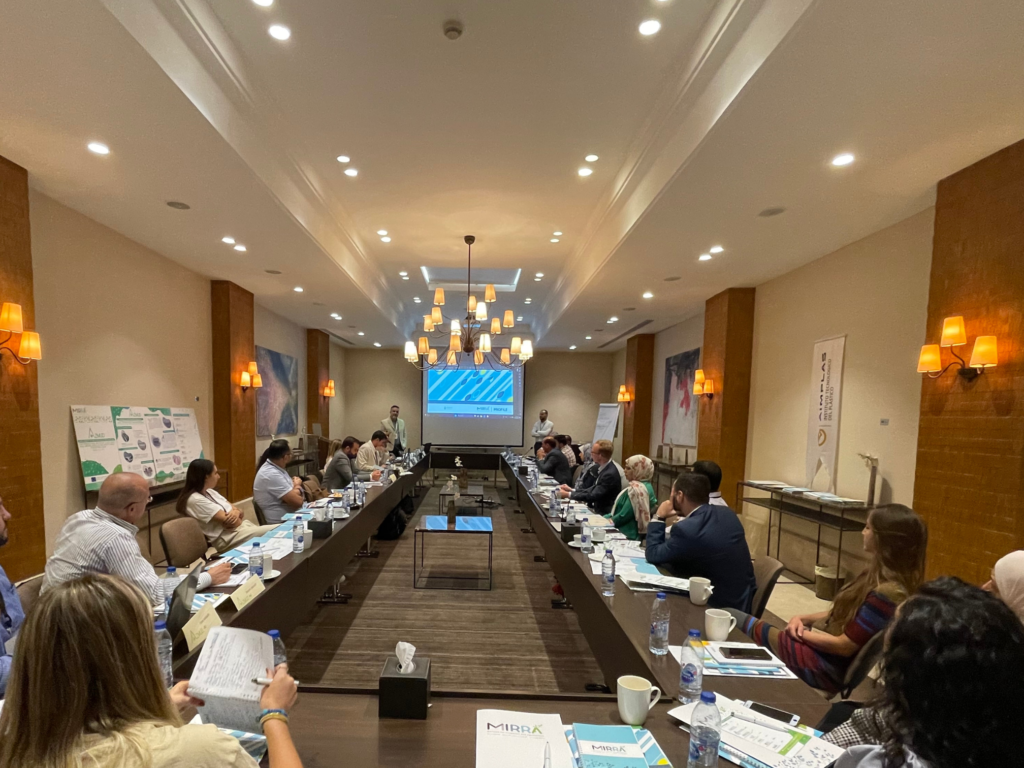
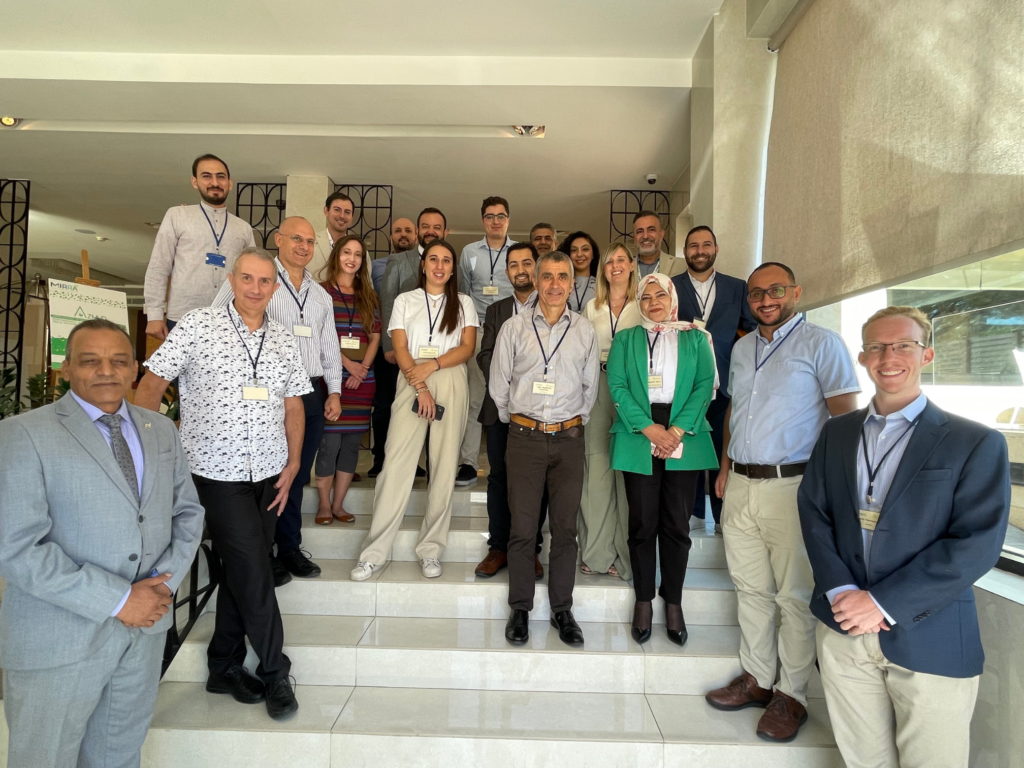
- Technical training workshops for farmers and engineers
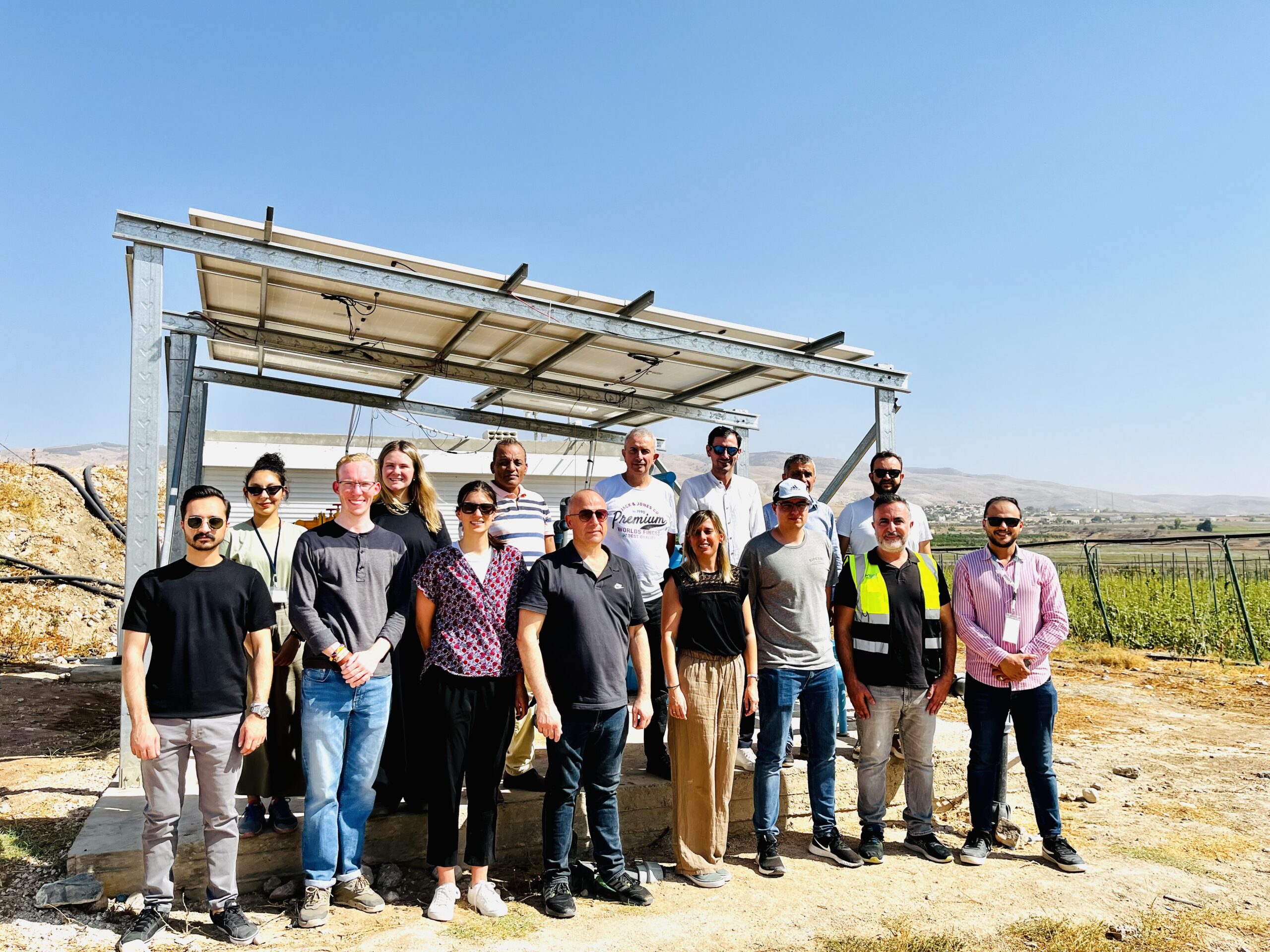
- Field days with live demonstrations
- Environmental and social perception surveys
- Stakeholder interviews for socio-economic assessment
- Dissemination through conferences, newsletters, and policy briefs
This participatory approach supports higher acceptance, smoother scaling, and stronger alignment with national and regional agricultural priorities.
Project Engagement with Women
Although AZMUD is not exclusively a gender-focused project, it integrates meaningful gender considerations into greenhouse innovation:
Reducing Women’s Exposure to Risks
- Controlled-release natural pesticides significantly lower women’s exposure to chemical treatments—especially crucial in household-run greenhouses where women perform much of the daily farm work.
Supporting Women’s Participation in Greenhouse Management
- The ICT system and mobile app simplify greenhouse monitoring—making it easier for women farmers to manage irrigation schedules, climate conditions, and pest alerts without needing physical labor or constant presence inside the greenhouse.
- Training sessions explicitly encourage participation of women-led farms and cooperatives.
Empowering Women Economically
- By reducing production costs and improving yields, the project helps women farmers enhance farm profitability and expand their market opportunities.
- Environmentally safer inputs (biodegradable films, natural pesticides) are more acceptable to women producers who prioritize health and family safety.
Overall, AZMUD fosters safer working environments, reduced chemical exposure, and more inclusive access to modern technologies for women in agriculture.
Farmers Engagement
Farmers are central to the success of AZMUD, and their involvement spans all project phases—from design to demonstration.
Role of Farmers in the Project
- Provided critical input on irrigation efficiency issues, climate control limitations, and pest management gaps.
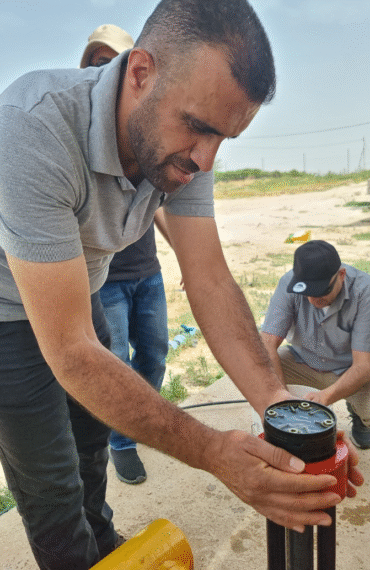
- Participated in testing LEDI systems, magnetic units, and biopesticide performance under real operating conditions.
- Helped evaluate the practicality, maintenance needs, and economic benefits of each innovation.
- Participated in social acceptance surveys to assess the likelihood of adoption.
Capacity Building and Training
- Hands-on technical sessions trained farmers on installation, use, and maintenance of new systems.
- Demonstrations showed real-time monitoring of greenhouse climate, energy savings from PV modules, and water-use efficiency improvements.
- Farmers were provided with guidelines and simplified manuals on each technology.
Benefits for Farmers
- Lower irrigation costs and improved water distribution uniformity
- Reduced pest pressure with fewer chemical treatments
- Better temperature stability due to Joule heating and PV shading
- Increased yield and quality due to optimized resource use
- Enhanced decision-making through ICT-based alerts and recommendations
Farmers’ strong involvement increases the likelihood of real-world adoption and long-term sustainability of AZMUD technologies.



NUFFIC 2 – Empowerment Syrian Refugees Widows and Capacity Development in Plumbing, Gray Water Treatment, and Reuse in Agriculture (ESWP)
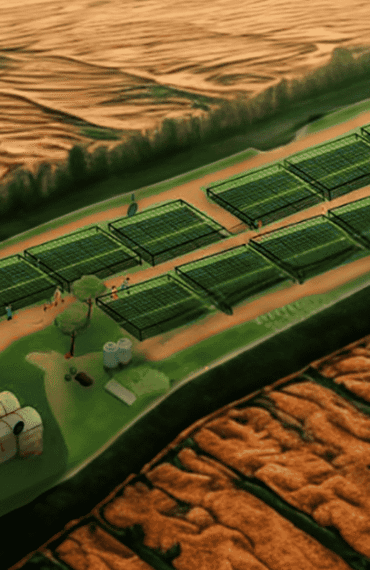
HTU Training – SAHARA Project: Innovative and Food Production inside the Water-Energy-Food Nexus inside Jordan
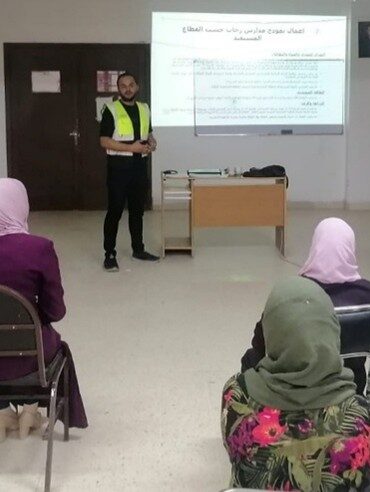
GIZ-CfW Project – Community Gardening and Public Parks Rehabilitation in Rihab and Djeineh, Al-Mafraq Governorate
Water-Wise Schools – Enhancing Living and Learning Conditions of Pupils and Teachers in Jordan