GIZ-CfW Project – Community Gardening and Public Parks Rehabilitation in Rihab and Djeineh, Al-Mafraq Governorate
Project Statement
Communities in Rihab and Djeineh, located in Al-Mafraq Governorate, face a range of social, environmental, and economic challenges, exacerbated by rapid population growth and the presence of vulnerable groups, including Syrian refugees. Public spaces in these areas—such as parks and gardens—have suffered from years of neglect due to limited municipal resources, poor infrastructure, and lack of sustainable maintenance mechanisms.
Additionally, unemployment rates in these areas remain high, particularly among youth and women. There is also limited community awareness and technical capacity related to water conservation, treated wastewater reuse, and sustainable landscaping. These interlinked challenges contribute to degraded living environments, reduced social cohesion, and missed opportunities for environmental education and economic support through labor-based interventions.
The project aimed to address these intersecting needs through the rehabilitation and sustainable management of public green spaces, while offering short-term employment and capacity building under a Cash-for-Work (CfW) framework.
Project Summary
The GIZ-CfW Project: Community Gardening and Public Parks Rehabilitation in Rihab and Djeineh was a 12-month initiative implemented by MIRRA from April 2022 to March 2023. Funded by GIZ under its Syrian Response Programme, the project aimed to improve environmental and social conditions in two underserved Jordanian communities by transforming neglected public spaces into functional, green, and inclusive environments.
Through the use of Cash-for-Work mechanisms, the project provided income opportunities to vulnerable Jordanians and Syrians, while simultaneously building community capacity in sustainable agriculture, irrigation, and reuse of treated wastewater.
Project Objectives
- Rehabilitate and green public spaces in Rihab and Djeineh through landscaping, tree planting, and infrastructure upgrades.
- Create temporary employment opportunities for vulnerable individuals via CfW modalities.
- Promote treated wastewater reuse as a sustainable source for irrigating public spaces.
- Strengthen local capacity in sustainable gardening, irrigation, and park maintenance.
- Improve social cohesion between host communities and Syrian refugees through inclusive community engagement.
- Establish an operation and maintenance (O&M) framework for long-term sustainability of green spaces.
To achieve the objectives listed, the project achieved the following key outcomes:
- Over 80 CfW participants (men and women, Jordanians and Syrians) engaged in hands-on work, earning income while gaining marketable skills.
- Two public spaces (one in Rihab, one in Djeineh) were fully rehabilitated:
- Landscaping and planting of trees, flowers, and grass
- Installation of drip irrigation systems
- Use of treated wastewater from a local school (Rihab Secondary for Girls)
- Participants received on-the-job training in:
- Irrigation systems design and maintenance
- Tree planting and urban landscaping
- Safe handling of treated wastewater
- Community members, school representatives, and municipal officials were engaged through site visits and open days, raising awareness of environmental stewardship.
- Developed a comprehensive Operation & Maintenance Manual to ensure long-term sustainability of the park and garden facilities.
- Promoted environmental education and recreational use of public spaces, especially among youth and families.
The project contributed directly to environmental improvement, economic relief through labor support, and long-term behavioral change in water reuse and landscape maintenance.
Project Activities
To achieve its environmental, social, and economic objectives, the project implemented a diverse set of interconnected activities across multiple phases. These activities were carefully designed to combine physical rehabilitation of public spaces with hands-on community engagement, capacity building, and sustainable water management practices. By integrating technical interventions with inclusive employment, the project created immediate benefits for local residents while laying the foundation for long-term impact.
Key Activities:
1. Site Preparation and Rehabilitation
- Selection of two neglected public spaces in Rihab and Djeineh.
- Cleanup, removal of waste, and preparation of soil for planting.
- Installation of infrastructure such as fencing, pathways, and seating areas.
2. Landscaping and Planting
- Design and layout of green zones using native and low-water-demand species.
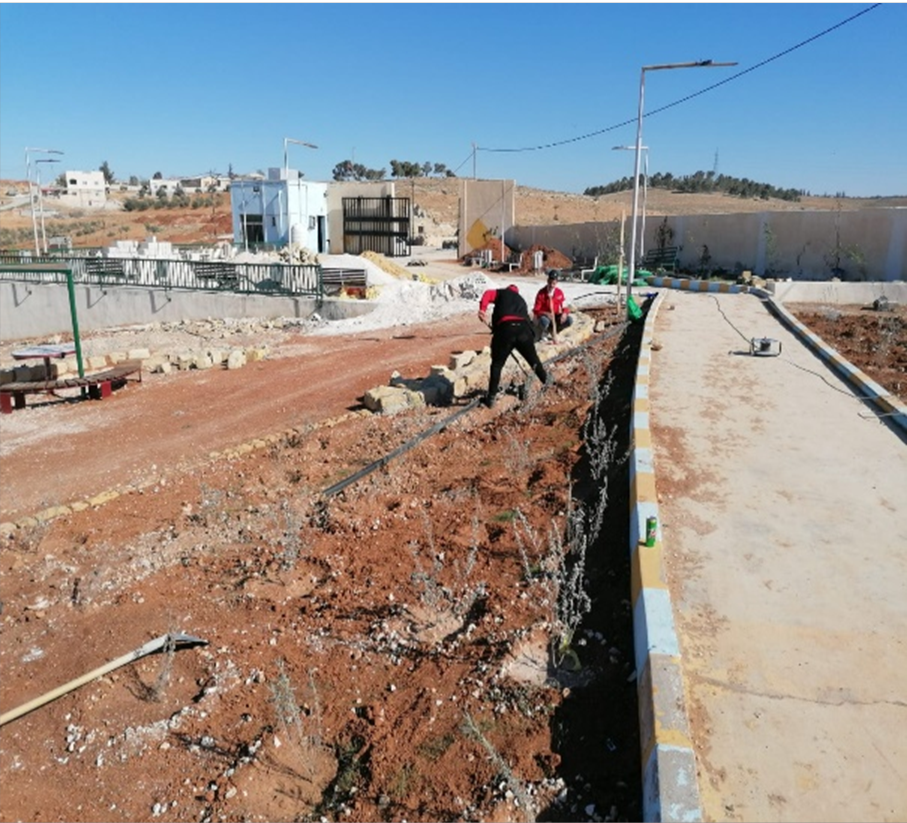
- Planting of trees, shrubs, and ground cover suited for reuse irrigation.
- Creation of shaded areas for community gathering and child-friendly spaces.
3. Installation of Irrigation Systems
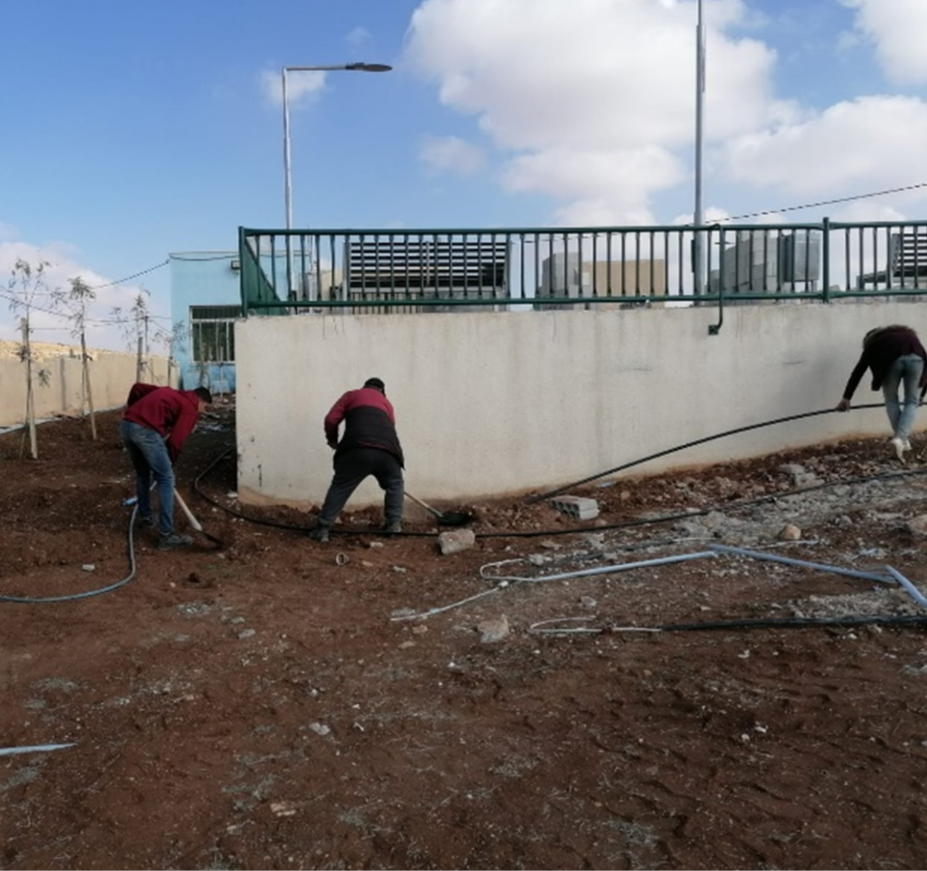
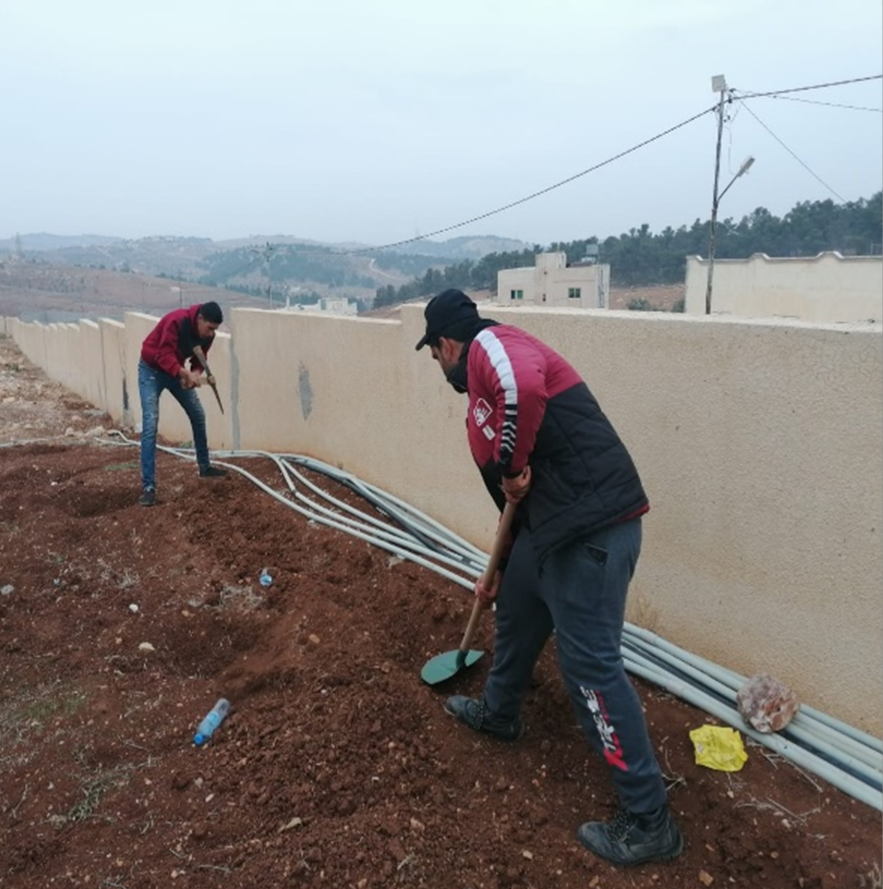
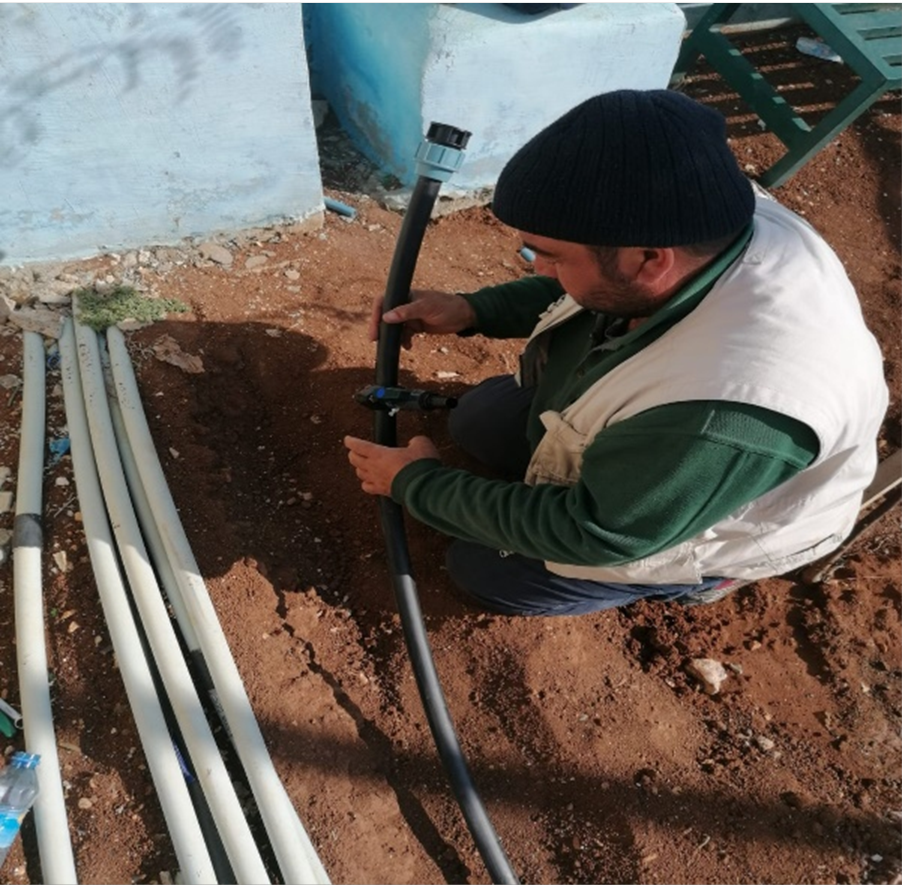
- Design and implementation of drip irrigation networks.
- Use of treated wastewater from Rihab Secondary School as a sustainable water source.
- Construction of connection lines from the treatment unit to the garden area.
- Safety protocols implemented for handling and using TWW in public spaces.
4. Capacity Building and Cash-for-Work Employement
- Recruitment of local semi-skilled and unskilled laborers (with a gender and nationality balance).
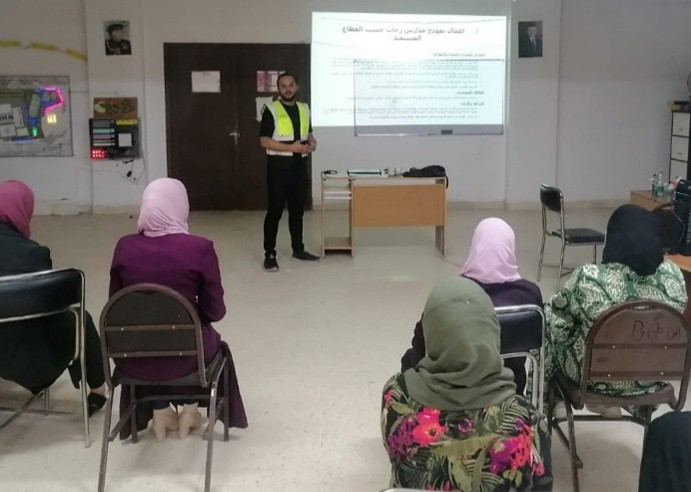
- On-site coaching in landscaping, irrigation installation, and safe water reuse.
- Monitoring of daily attendance, safety compliance, and quality of work.
- Short-term employment offered to alleviate economic stress while building skills.
5. Community Engagement and Sustainability Planning
- Organization of open days and awareness events with local schools and community members.
- Introduction of educational signage within the parks.
- Development and handover of a customized O&M manual for local stakeholders to maintain the rehabilitated areas.
- Coordination with local municipalities and GIZ for post-project follow-up.
Project Impact According to OECD-DAC Evaluation Criteria
Project Relevance
The project was highly relevant to the socio-economic and environmental challenges facing vulnerable communities in Rihab and Djeineh, Mafraq Governorate—regions hosting both Jordanian citizens and large populations of Syrian refugees.
- Alignment with Local Needs:
- Degraded public spaces and a lack of accessible green areas had negatively affected the quality of life, especially for women, children, and youth.
- Unemployment and economic vulnerability were widespread, particularly among unskilled workers, due to limited livelihood opportunities.
- Public institutions lacked resources to maintain community gardens and parks, and awareness of sustainable landscaping, treated wastewater reuse, and irrigation techniques was minimal.
- Policy Alignment:
- The project addressed GIZ’s Cash-for-Work (CfW) objectives by combining livelihood support with community asset creation.
- It aligned with Jordan’s national strategies on:
- Green infrastructure development
- Wastewater reuse promotion
- Social cohesion through inclusive employment and public space access
- The intervention supported SDG 6 (Clean Water and Sanitation), SDG 11 (Sustainable Cities and Communities), and SDG 8 (Decent Work and Economic Growth).
By integrating short-term labor opportunities with long-term environmental solutions, the project was both contextually appropriate and strategically aligned.
Project Coherence
The project demonstrated strong internal and external coherence, effectively coordinating its various components while aligning with existing institutional and development frameworks.
- Internal Coherence:
- The project combined public space rehabilitation, reuse of treated wastewater, technical training, and CfW employment into one unified approach.
- Activities such as planting, irrigation system installation, and community engagement were logically sequenced and mutually reinforcing.
- Training topics matched the technical tasks implemented on-site, ensuring consistency between learning and application.
- External Coherence:
- The project complemented GIZ’s broader Syrian Response Programme, particularly its environmental resilience and livelihoods pillars.
- It built on MIRRA’s prior work in treated wastewater reuse, leveraging existing technical experience and stakeholder networks.
- Collaborated with local schools (e.g., Rihab Secondary School for Girls) and municipal authorities, fostering alignment with public infrastructure and educational objectives.
- The inclusion of local stakeholders in site selection and monitoring ensured responsiveness to community priorities.
The project harmonized well with existing policies, donor strategies, and local institutional mandates, enhancing its relevance and credibility.
Project Effectiveness
The project fully achieved its stated objectives and delivered measurable results in a timely and responsive manner.
- Two public spaces (Rihab and Djeineh) were fully rehabilitated and landscaped using sustainable and aesthetic designs.
- Over 80 vulnerable individuals (Jordanians and Syrians, men and women) were engaged in CfW roles, receiving fair wages and acquiring practical skills.
- Drip irrigation systems were installed at both sites, utilizing treated wastewater from a nearby school as a sustainable resource.
- Participants gained practical knowledge in:
- Wastewater safety and reuse
- Tree and flower planting
- Maintenance of irrigation systems
- An Operation & Maintenance (O&M) manual was developed and handed over to local partners for future use.
- Awareness activities and open days engaged community members, school staff, and youth, helping instill ownership and long-term interest in the parks.
The outcomes reflected a strong match between planned objectives and field-level execution, with the added value of community mobilization and technical transfer.
Project Efficiency
The project demonstrated high levels of efficiency in both resource management and operational execution.
Time and Cost Efficiency:
- Delivered within the 12-month timeframe with no major delays.
- Effective use of existing infrastructure, such as:
- Greywater from Rihab School (avoiding the need for new water sources)
- MIRRA’s internal technical capacity and prior experience
- CfW laborers were carefully selected, trained, and supervised, ensuring quality while minimizing overhead costs.
Operational Optimization:
- Activities were implemented in a phased manner, allowing for adjustments based on field realities.
- Resource use was optimized by selecting drought-tolerant plant species and simple, easy-to-maintain irrigation systems.
- Use of local labor and materials reduced logistical costs and increased local economic circulation.
The integration of training, infrastructure, and employment in a compact, coordinated format ensured high returns on investment in terms of both outcomes and capacity built.
Project Impact
The project has already generated positive and visible impacts at the individual, community, and institutional levels, with potential for long-term transformation.
Economic Impact
- Provided short-term income for 80+ CfW workers, contributing to household stability.
- Improved the employability of participants through transferable skills in irrigation, reuse, and landscaping.
Environmental Impact
- Revived two previously neglected public spaces, turning them into green, shaded, and usable areas.
- Promoted wastewater reuse, reducing reliance on freshwater sources for irrigation.
- Introduced sustainable practices, such as:
- Low-maintenance plant choices
- Efficient water distribution
- Soil health management
Social and Community Impact
- Created safe, inclusive spaces for children, families, and elderly community members to gather, play, and interact.
- Strengthened social cohesion between Jordanians and Syrians through shared work and communal space use.
- Raised public awareness around water conservation and environmental stewardship through open days and signage.
Institutional Impact
- Municipal staff and local schools gained a replicable model for future garden or park initiatives.
- Developed a practical O&M manual, increasing the likelihood of long-term upkeep.
Project Sustainability
The project has embedded several mechanisms to support sustainability beyond its implementation period.
Technical Sustainability
- Low-cost and low-maintenance irrigation systems were installed, designed to function efficiently with treated wastewater.
- Plant species selected were climate-resilient, minimizing future irrigation and fertilization needs.
Institutional Sustainability
- Handover of operation and maintenance guidance and technical documentation to local municipalities and stakeholders.
- Partnerships with local schools (e.g., wastewater source) ensure a continued water supply for irrigation.
- Involvement of MIRRA and community-based stakeholders builds local ownership and institutional memory.
Social Sustainability
- Community awareness events promoted a sense of pride and shared responsibility.
- Training of CfW participants has created a local pool of skilled individuals capable of supporting future efforts or even replicating the model elsewhere.
- Engaged communities now view these gardens not just as public property, but as shared assets worth protecting.
Stakeholder Engagement with Strategic Groups
Project Beneficiaries
The project was designed to deliver direct and indirect benefits to various groups within the Rihab and Djeineh communities, while also building institutional capacity for sustainable environmental management. Stakeholder engagement was central to every phase of the project—from site selection and workforce recruitment to operation and community outreach.
Direct Beneficiaries
- Over 80 individuals were engaged through the Cash-for-Work (CfW) scheme:
- Included both Jordanian and Syrian nationals
- Balanced representation of men and women
- Participants received short-term employment and daily wages while acquiring hands-on skills in:
- Tree planting and landscaping
- Irrigation system installation and maintenance
- Safe handling and use of treated wastewater
- Local institutions, including:
- Rihab Secondary School for Girls, which supplied treated wastewater for irrigation
- Municipal authorities and community-based organizations, which received technical guidance and an operation & maintenance manual to ensure sustainability
Indirect Beneficiaries
- Community residents, including children, families, and the elderly, now benefit from:
- Rehabilitated public spaces for recreation, relaxation, and community gatherings
- Greener, more livable environments with shaded areas and improved aesthetics
- Local youth, through exposure to environmental education and employment models
- Municipal stakeholders, who now have a replicable model for green infrastructure using reuse and low-cost landscaping
The stakeholder engagement strategy was inclusive, need-driven, and participatory—ensuring that all groups had a role in shaping the outcomes.
Project Engagement with Women
The project demonstrated a clear commitment to gender inclusion, recognizing that women play a crucial role in community development, environmental care, and public space use. Women’s engagement was prioritized at both the employment and community interaction levels.
Women as Direct CfW Participants:
- A significant number of female laborers were recruited into the Cash-for-Work program.
- Women participated in:
- Site preparation and planting activities
- Irrigation and maintenance tasks
- On-the-job technical training alongside male counterparts
- This inclusive approach challenged traditional gender norms, empowering women with income generation, technical knowledge, and increased visibility in public infrastructure projects.
Skills and Empowerment:
- Women learned:
- How to safely handle treated wastewater
- Basic irrigation system operation and maintenance
- Soil preparation and landscape design
- These skills are transferable to both household use and community-level employment in future projects.
Social and Community Roles
- As primary users of community parks—especially those accompanying children—women were instrumental in shaping the social use and upkeep of the rehabilitated spaces.
- Their participation strengthened community acceptance and helped ensure long-term care of the gardens.
Impact
- The project enhanced women’s role as:
- Environmental stewards
- Skilled workers in non-traditional roles
- Advocates for safe and inclusive public spaces
This engagement promoted gender equity and demonstrated that CfW programs can empower women economically and socially when designed with intention.
Project Engagement with Farmers
While the project’s primary focus was on community green spaces, it strategically engaged local farmers and those with agricultural backgrounds, especially through skills training and irrigation system design.
Farmers as CfW Participants:
- Several Cash-for-Work participants had prior agricultural experience and were thus well-positioned to absorb advanced knowledge in:
- Treated wastewater reuse
- Drip irrigation system design
- Soil management and crop compatibility
- These participants contributed significantly to the quality of the landscape rehabilitation and demonstrated strong leadership during implementation.
Technical Training for Agricultural Application:
- The project served as an opportunity to introduce safe reuse concepts and modern irrigation techniques to workers who could apply this knowledge in future farming activities.
- Farmers learned how to:
- Assess treated wastewater quality
- Install filter units and pressure regulation systems
- Optimize water use in arid climates using low-cost technologies
Potential for Knowledge Spillover:
- Those with farming backgrounds are likely to transfer acquired skills to their households or fields, especially in semi-urban or peri-urban areas where land access exists.
- The integration of treated wastewater reuse into a public project reinforced its viability and safety, encouraging broader acceptance within rural/agricultural mindsets.
Community Engagement Synergy:
- Farmers and their families directly benefit from:
- Access to improved green public spaces
- A strengthened local model for reuse in landscape management, which can be adapted to small-scale agriculture
Although not an agricultural development project per se, WASH and irrigation components were delivered in a way that empowered rural and farming-linked residents with useful, scalable knowledge.
Conclusion: Stakeholder Engagement Summary
Stakeholder Group | Engagement Type | Key Benefits and Outcomes |
Cash-for-Work Participants | Paid employment + training (80+ workers) | Income, practical skills in reuse and landscaping, improved employability |
Women | CfW roles + community users | Economic empowerment, technical knowledge, social inclusion |
Farmers | CfW participants with agri-background | Gained irrigation & reuse skills; potential application in own agricultural work |
Schools & Municipalities | Site collaboration, wastewater source, sustainability handover | Strengthened local ownership and post-project maintenance |
Wider Community | Indirect beneficiaries of green, accessible spaces | Enhanced environment, health, recreation, and awareness |
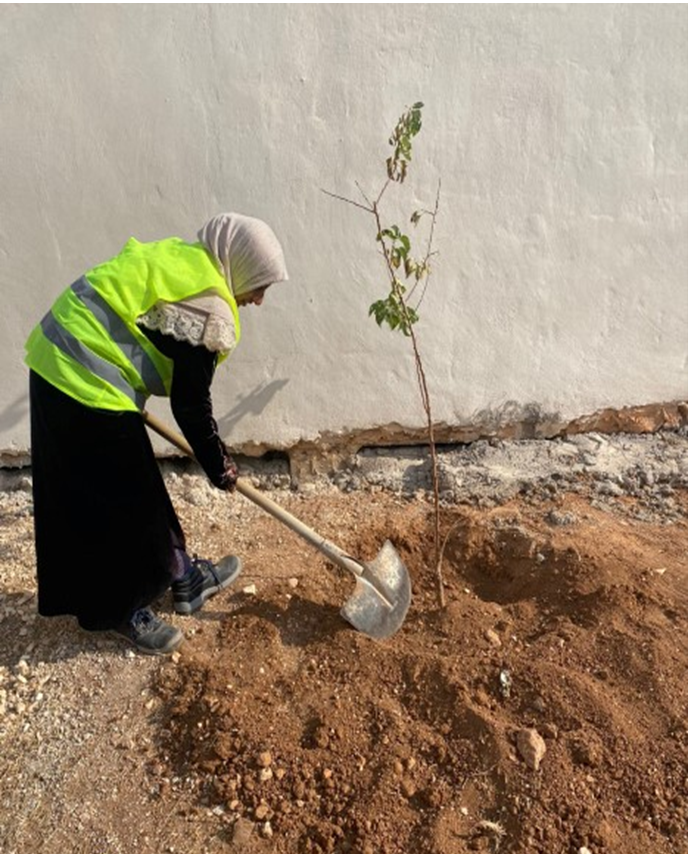
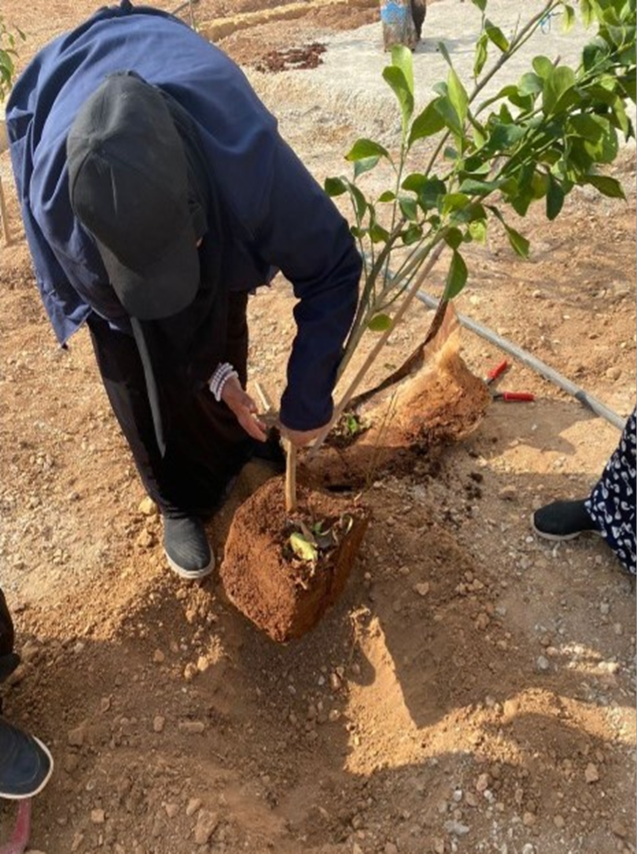
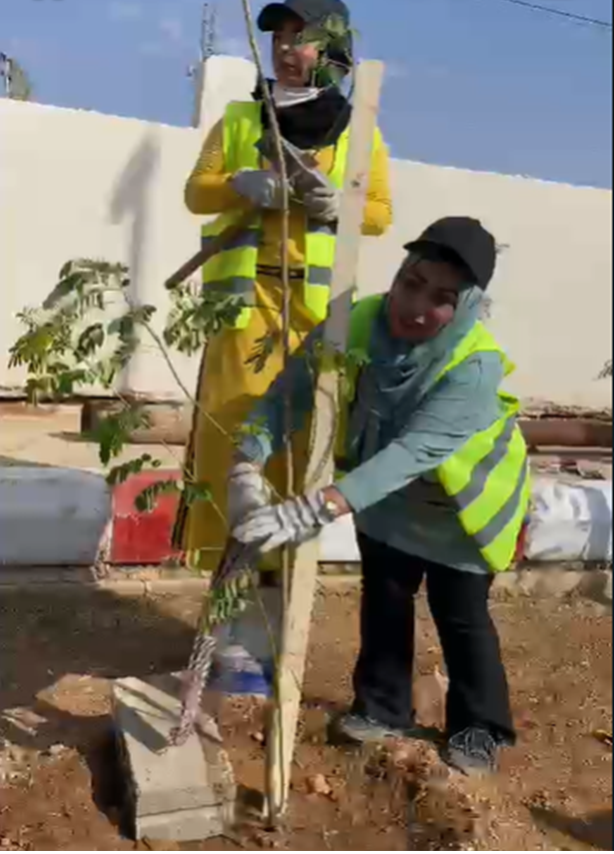
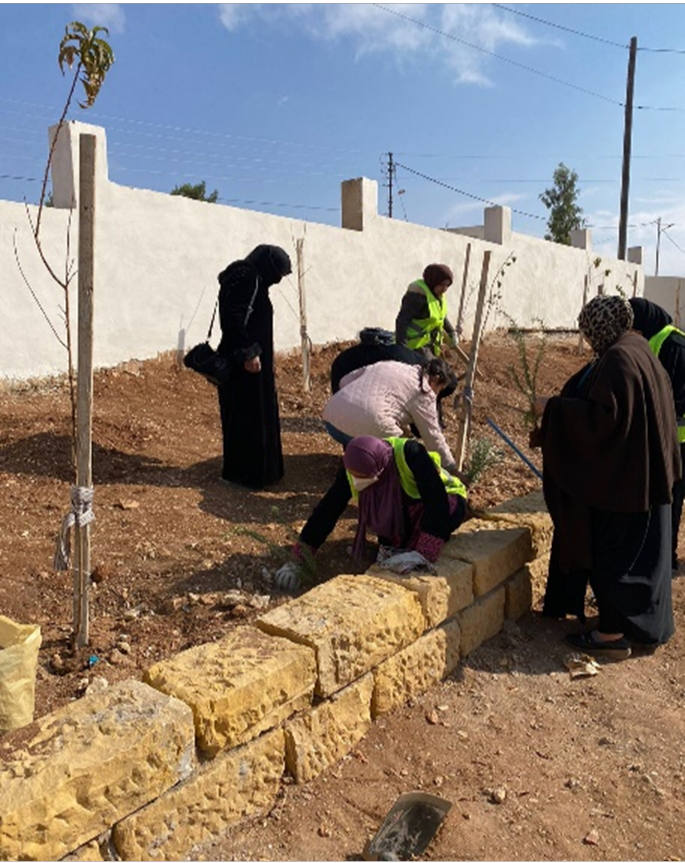
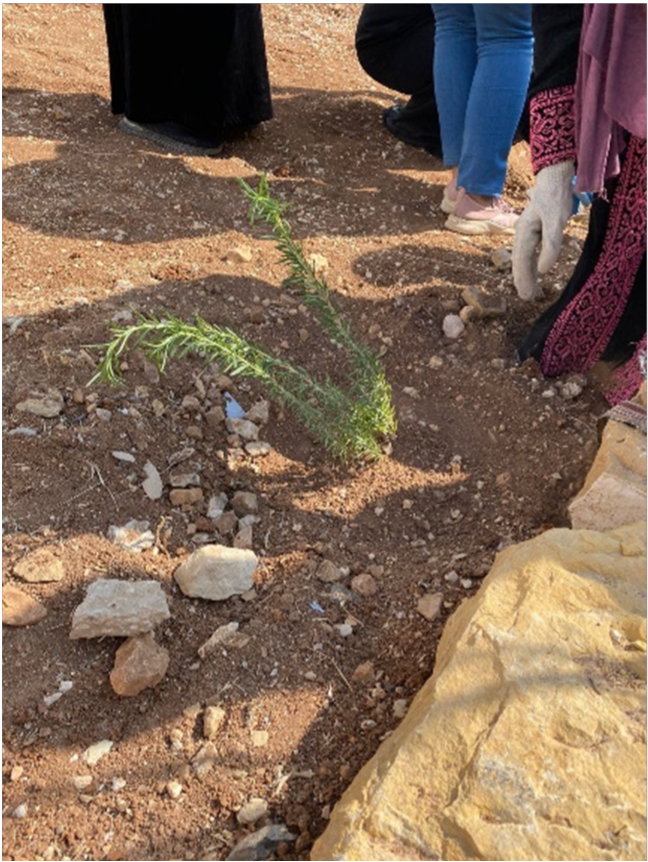
Different pictures from the plantation week in both parks:
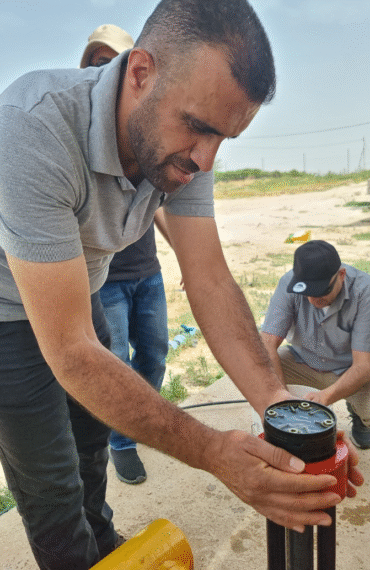
Different pictures from the irrigation week in both parks:


Similar Projects
NUFFIC 2 – Empowerment Syrian Refugees Widows and Capacity Development in Plumbing, Gray Water Treatment, and Reuse in Agriculture (ESWP)
HTU Training – SAHARA Project: Innovative and Food Production inside the Water-Energy-Food Nexus inside Jordan
Water-Wise Schools – Enhancing Living and Learning Conditions of Pupils and Teachers in Jordan