Training of Trainers on Irrigation Techniques and Practices through Theoretical and Practical Approaches Using Treated Wastewater
Problem Statement
Palestinian rural areas—particularly in the Hebron and Tubas Governorates—face growing water scarcity, limited access to safe irrigation infrastructure, and a lack of technical capacity to utilize treated wastewater in agriculture. Despite the potential of treated wastewater (TWW) to serve as an alternative irrigation source, there are knowledge gaps, infrastructure limitations, and public health concerns that prevent its wide adoption.
Moreover, while treated wastewater reuse (REUSE) is gaining attention as a sustainable resource strategy, the lack of qualified local trainers capable of educating farmers and institutions on safe and efficient irrigation techniques significantly hinders progress. This skills gap limits the scalability and long-term sustainability of integrated water resource management (IWRM) efforts.
To address this issue, there is a pressing need to build local capacity by training professionals who can in turn train others—thus multiplying the reach and impact of best practices in REUSE and irrigation.
Project Summary
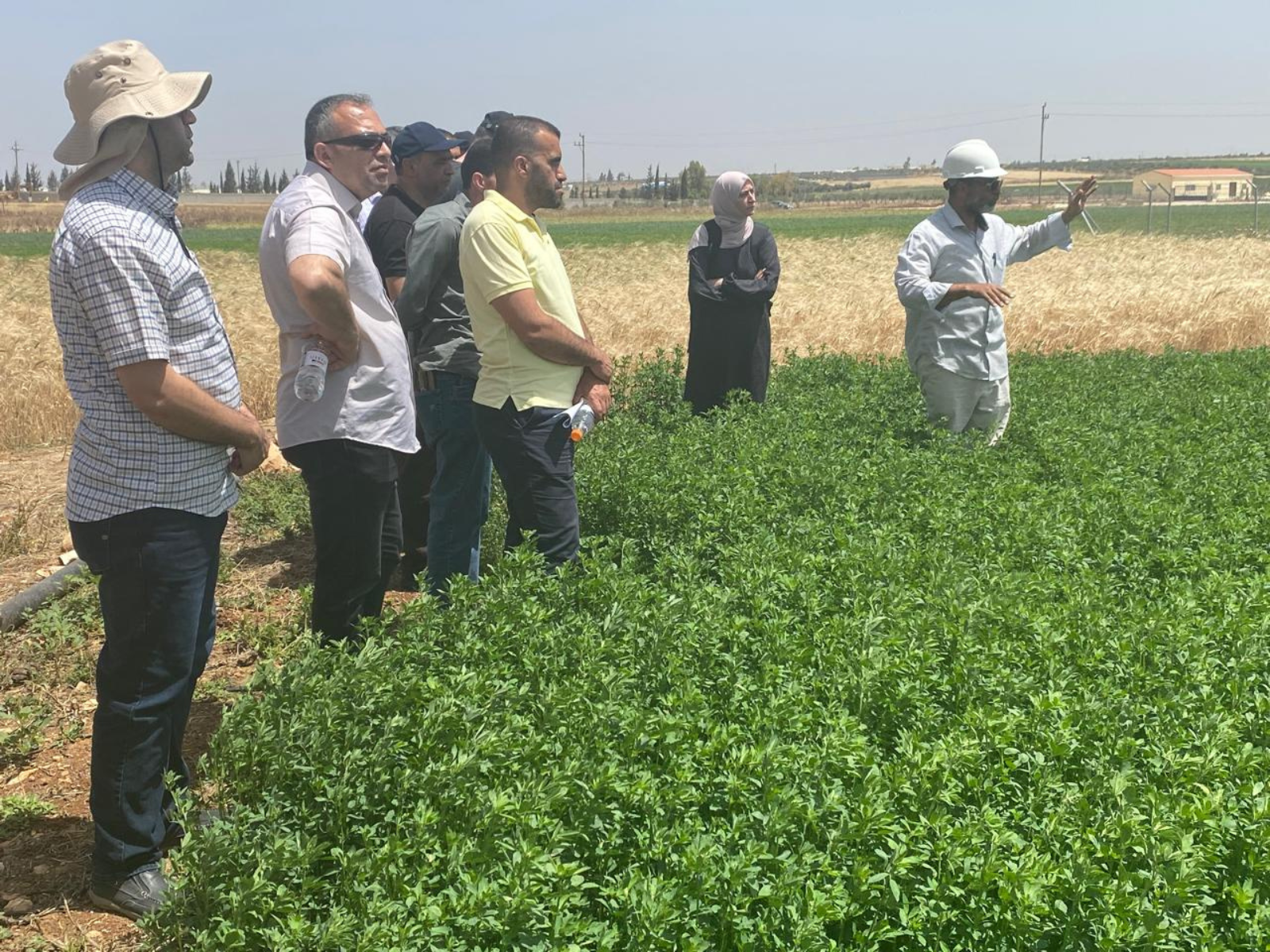
The Training of Trainers (ToT) on Irrigation Techniques and Practices Using Treated Wastewater is an intensive 7-day capacity-building initiative conducted in May 2024 at MIRRA’s Climate-Smart Demonstration Farm in Jordan. The training was implemented in the context of the broader project “Integrated Water Resources Management and Improvement of Living Conditions for Rural Households in the West Bank – Phase 2 (IWRM)”, led by Al-Ard for Agricultural Development in partnership with Experts-Solidaires and funded by French institutions and local authorities.
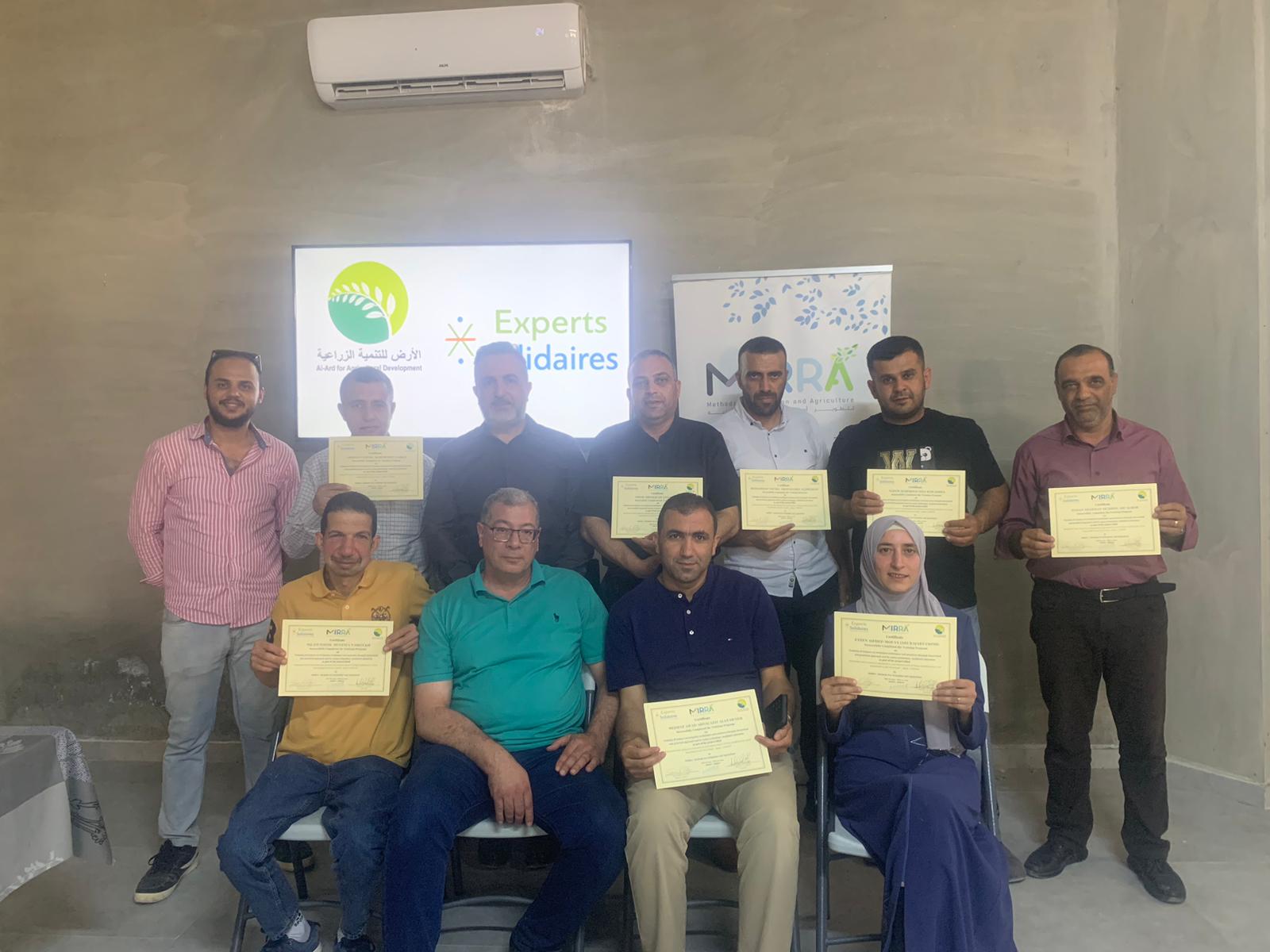
This initiative targeted 12 Palestinian agronomists (male and female) from governmental and non-governmental institutions, aiming to prepare them as certified trainers in the use of treated wastewater for irrigation.
Project Objectives:
- Enhance Knowledge of modern irrigation techniques that support wastewater reuse and sustainability
- Develop Practical Skills in designing, operating, and maintaining REUSE-compatible irrigation systems
- Introduce Technology-Mediated Education (TME) tools to improve digital content delivery and remote capacity building
- Build Pedagogical Competence in participatory teaching and adult learning strategies
- Strengthen Adaptability of trainers to engage with diverse farmer groups and institutional audiences
- Foster Social Cohesion and Behavioral Change through better awareness and engagement with reuse practices
To achieve the objectives listed, the project achieved the following key outcomes:
- 12 agricultural engineers successfully trained and certified as trainers
- Trainees demonstrated improved understanding of wastewater quality parameters, crop suitability, and health and safety standards
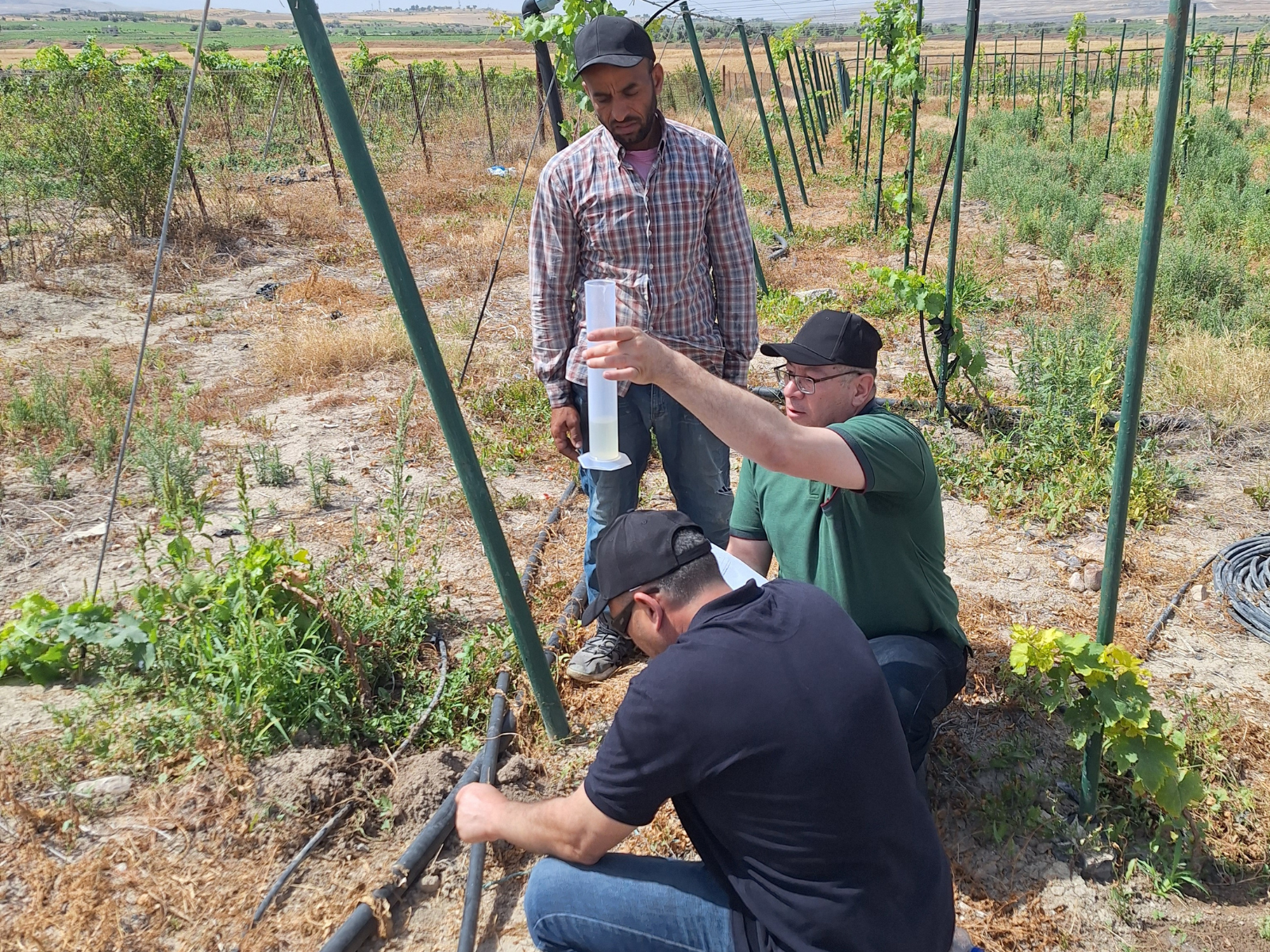
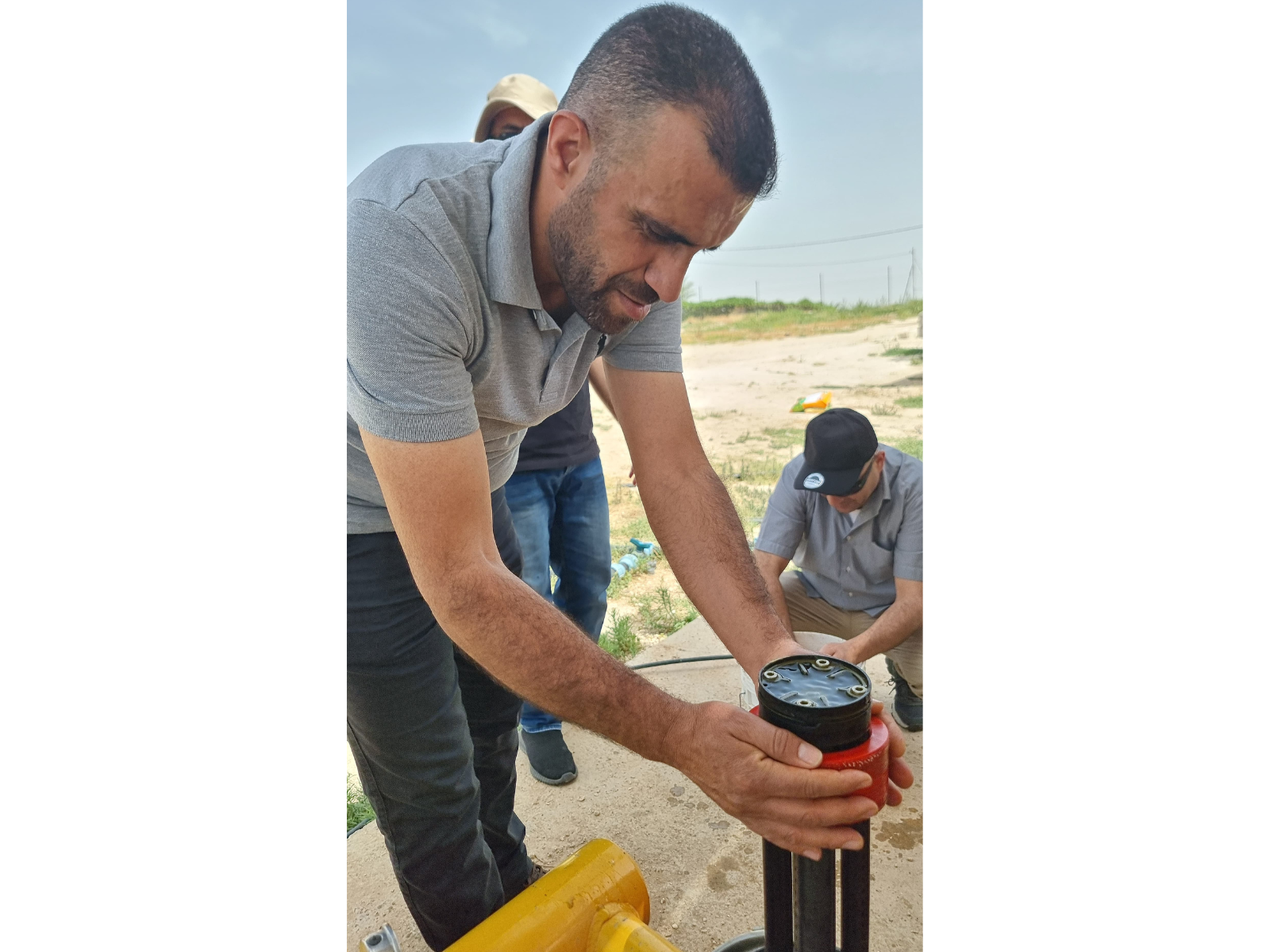
- Participants engaged in designing real-world irrigation networks and performing hands-on troubleshooting
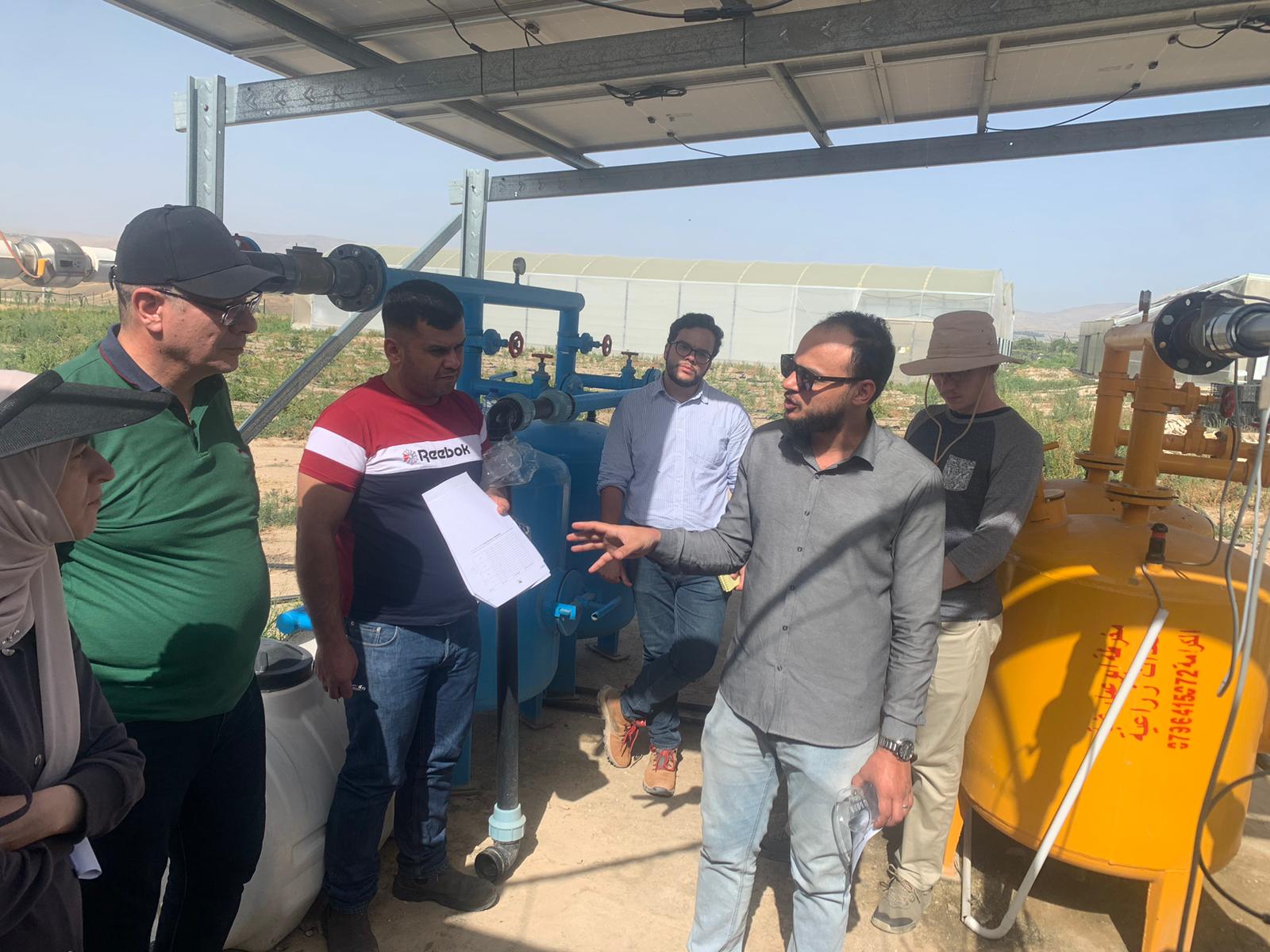
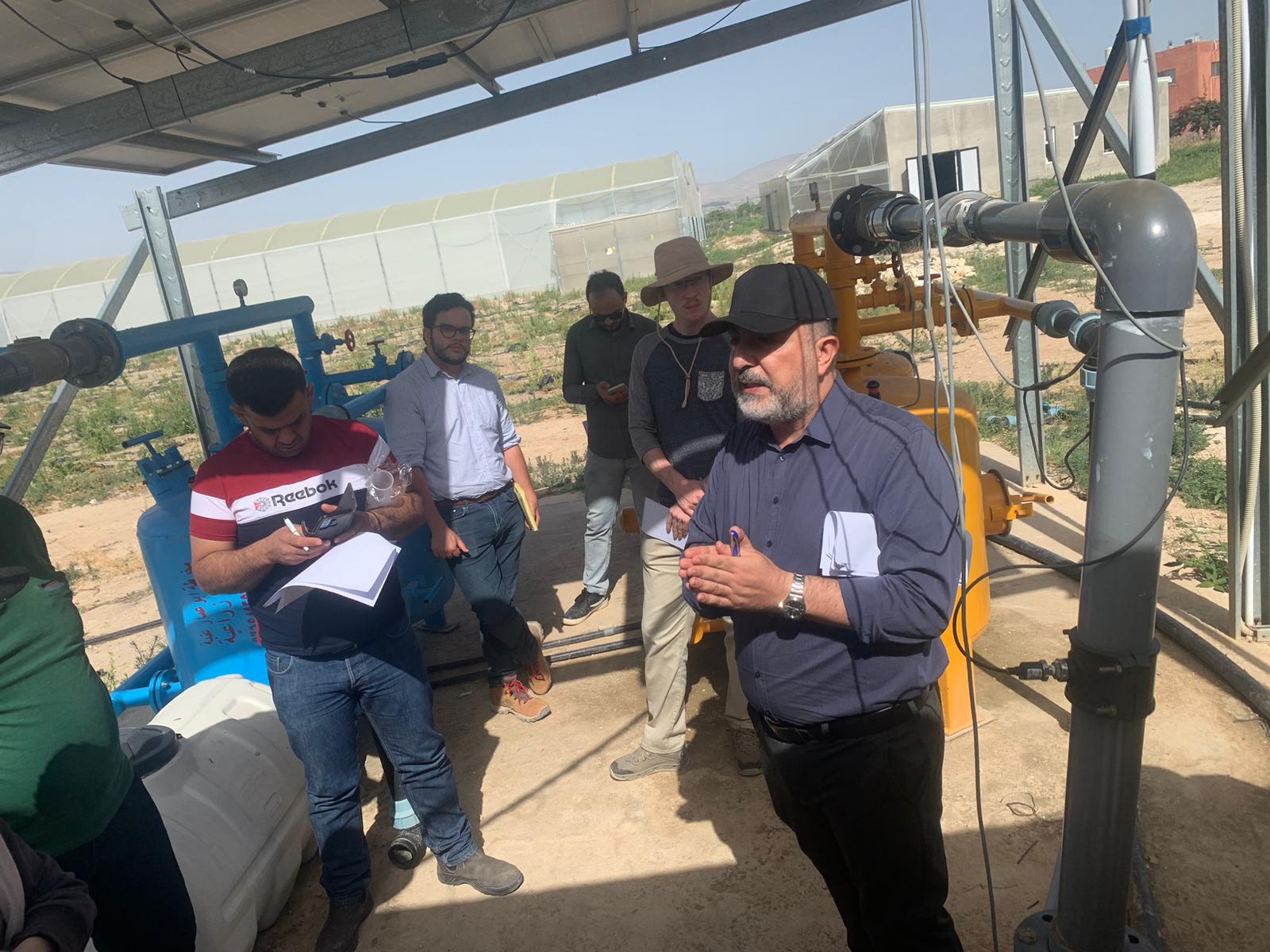
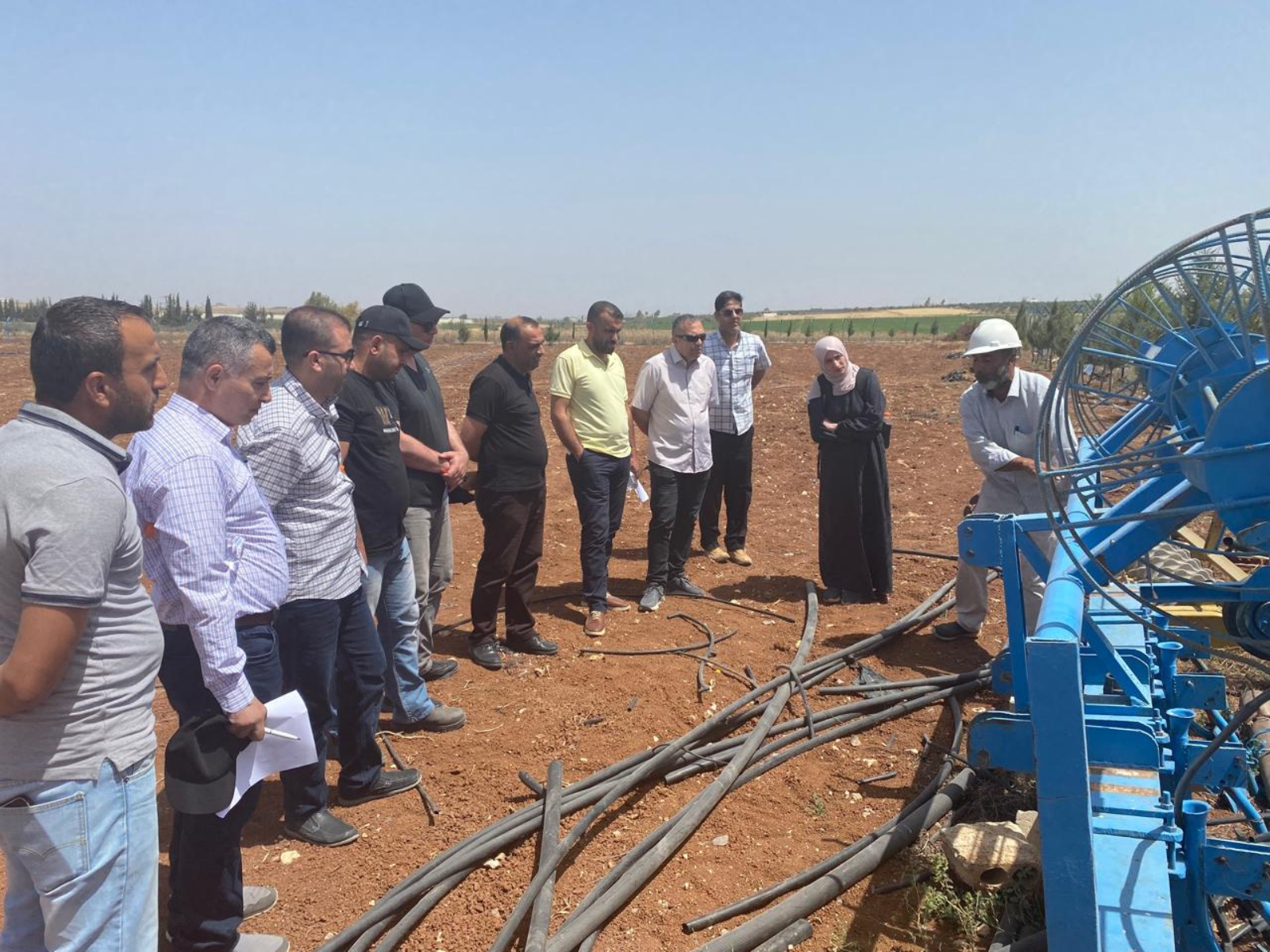
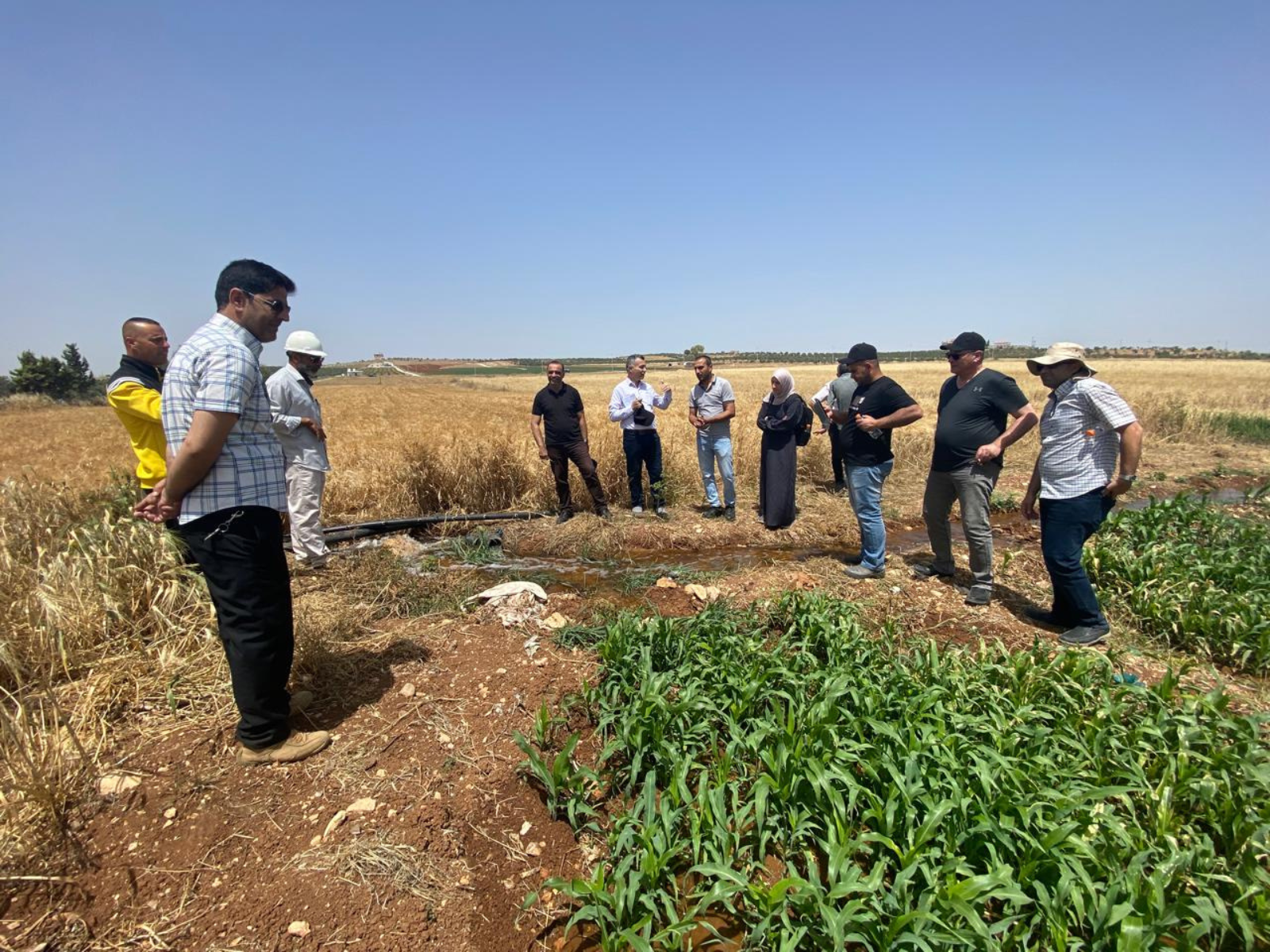
- Exposure to model reuse farms and wastewater treatment plants enriched practical insight
- Participants gained confidence in using digital tools to deliver training within their communities
- The initiative catalyzed a multiplier effect, enabling future training sessions for farmers, agriculture committees, and youth groups in Palestine
- Overall, the ToT strengthened local capacity to support reuse acceptance, agricultural resilience, and integrated water management
Project Activities
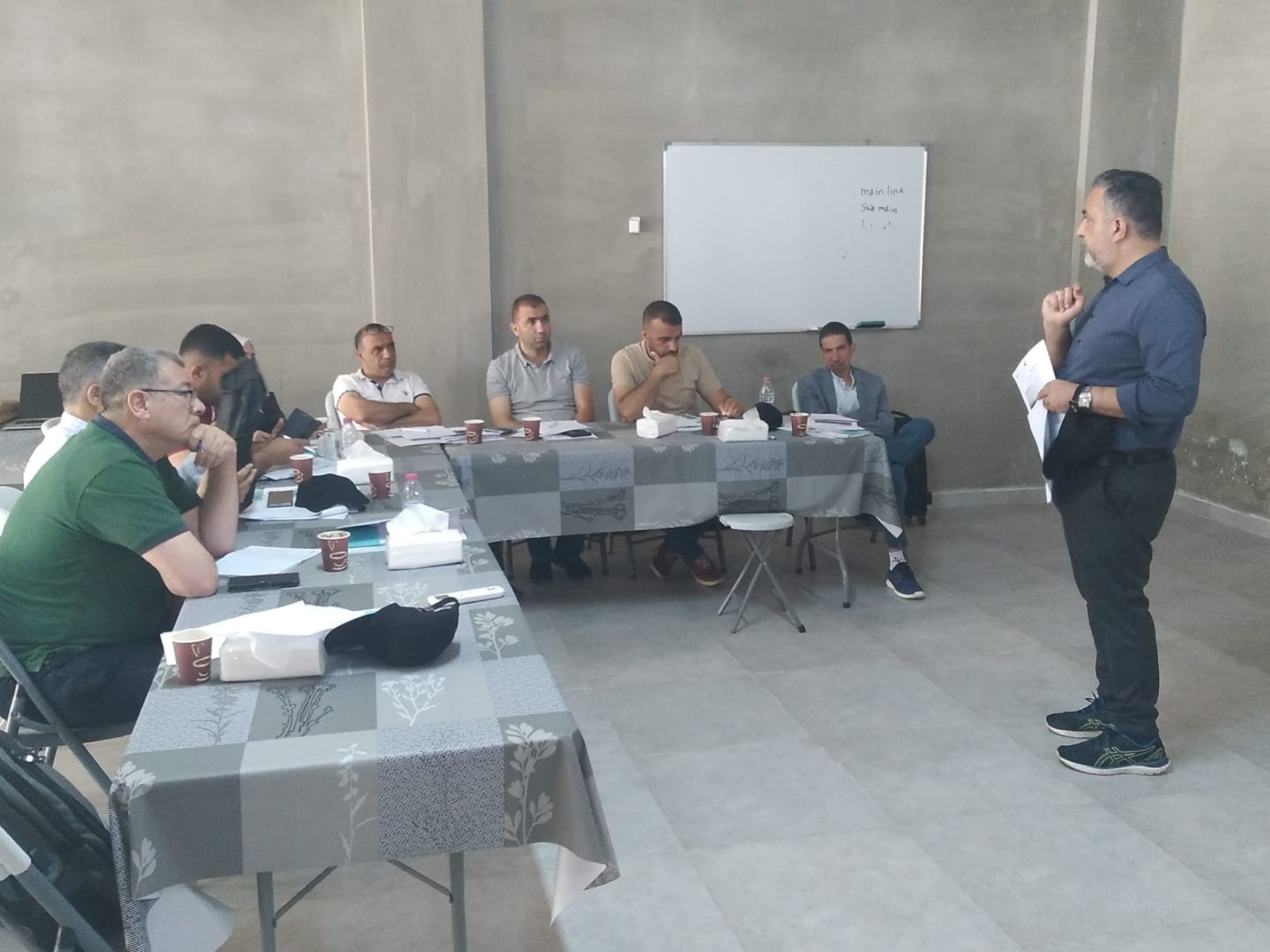
The training was structured around a blended model combining technical lectures, practical field sessions, and peer exchange. It emphasized both knowledge transfer and training-of-trainers methodologies, aligned with the project’s sustainability goals.
Key Activities:
- Theoretical Modules:
- Principles of wastewater treatment and reuse.
- Health and environmental standards.
- Crop compatibility and nutrient management.
- Design principles for REUSE irrigation systems.
- Fertigation and soil monitoring with TWW.
- Practical Hands-On Exercises:
- Design and layout of irrigation systems using treated wastewater
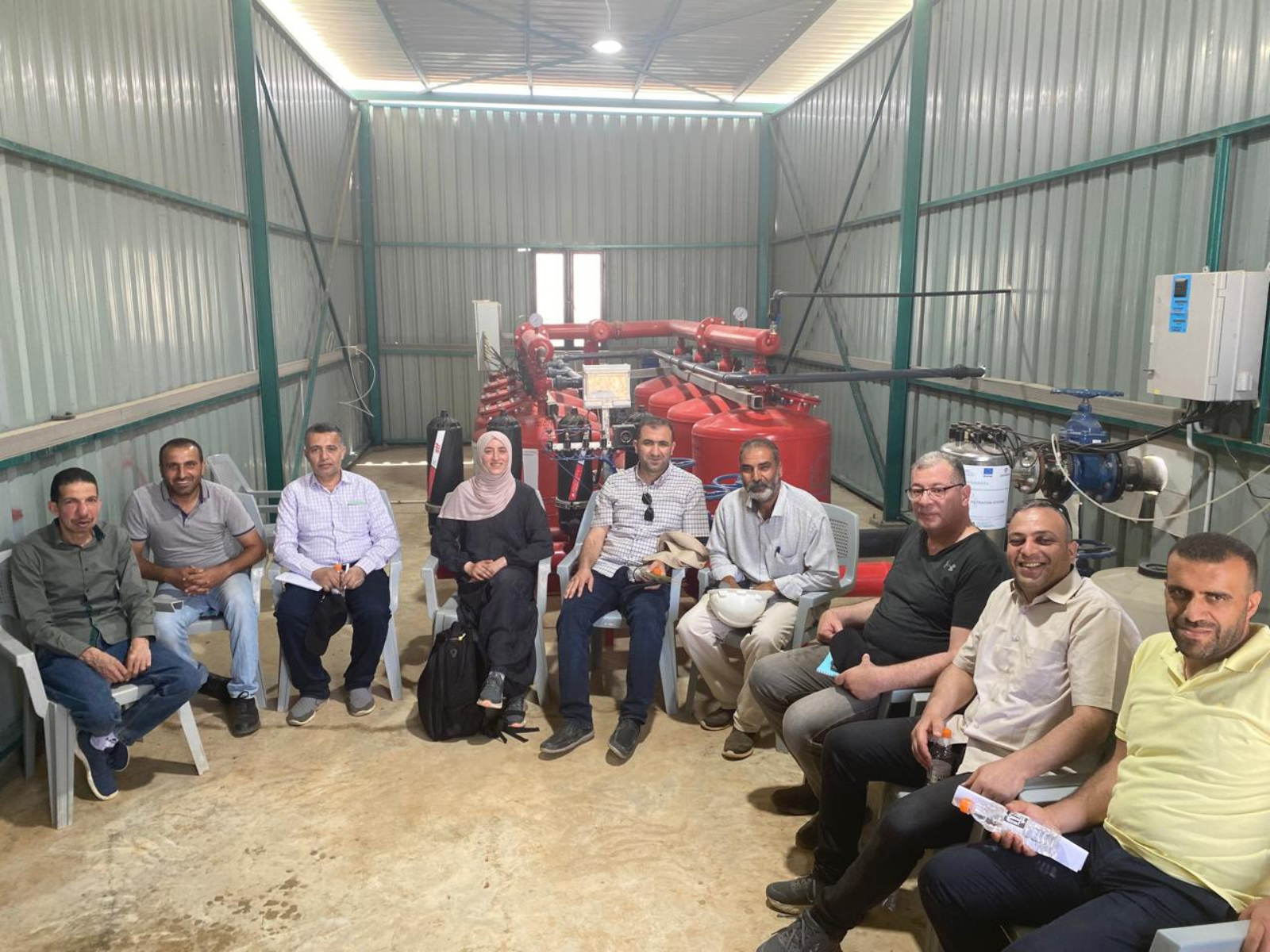
- System maintenance and repair (filters, valves, emitters)
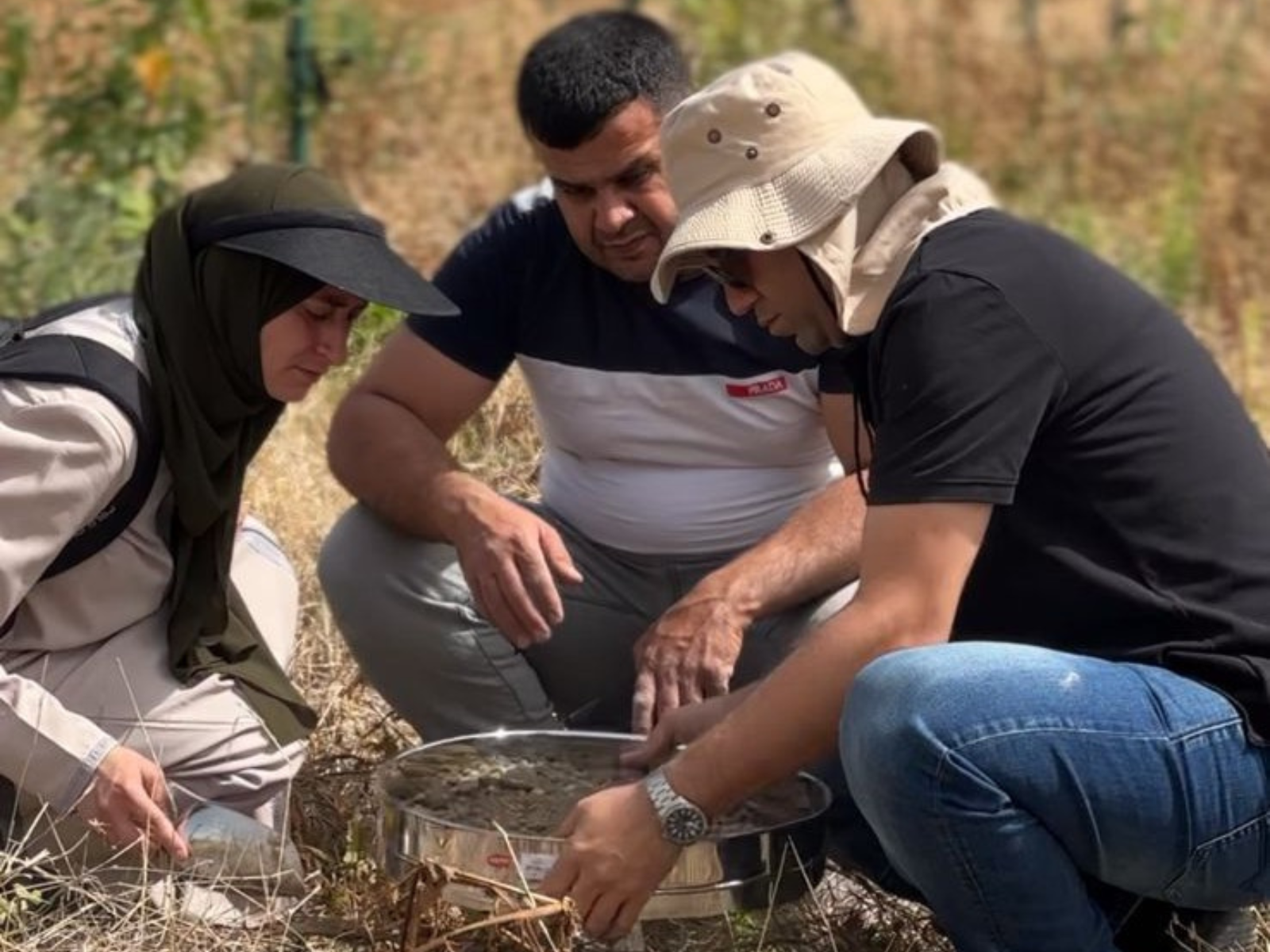
- Safety procedures, water sampling, and quality control
- Operation of fertigation units under reuse scenarios
- Technology-Mediated Education (TME):
- Introduction to digital tools for remote training delivery
- Creation of interactive training content for farmer outreach
- Field Visits and Knowledge Exchange:
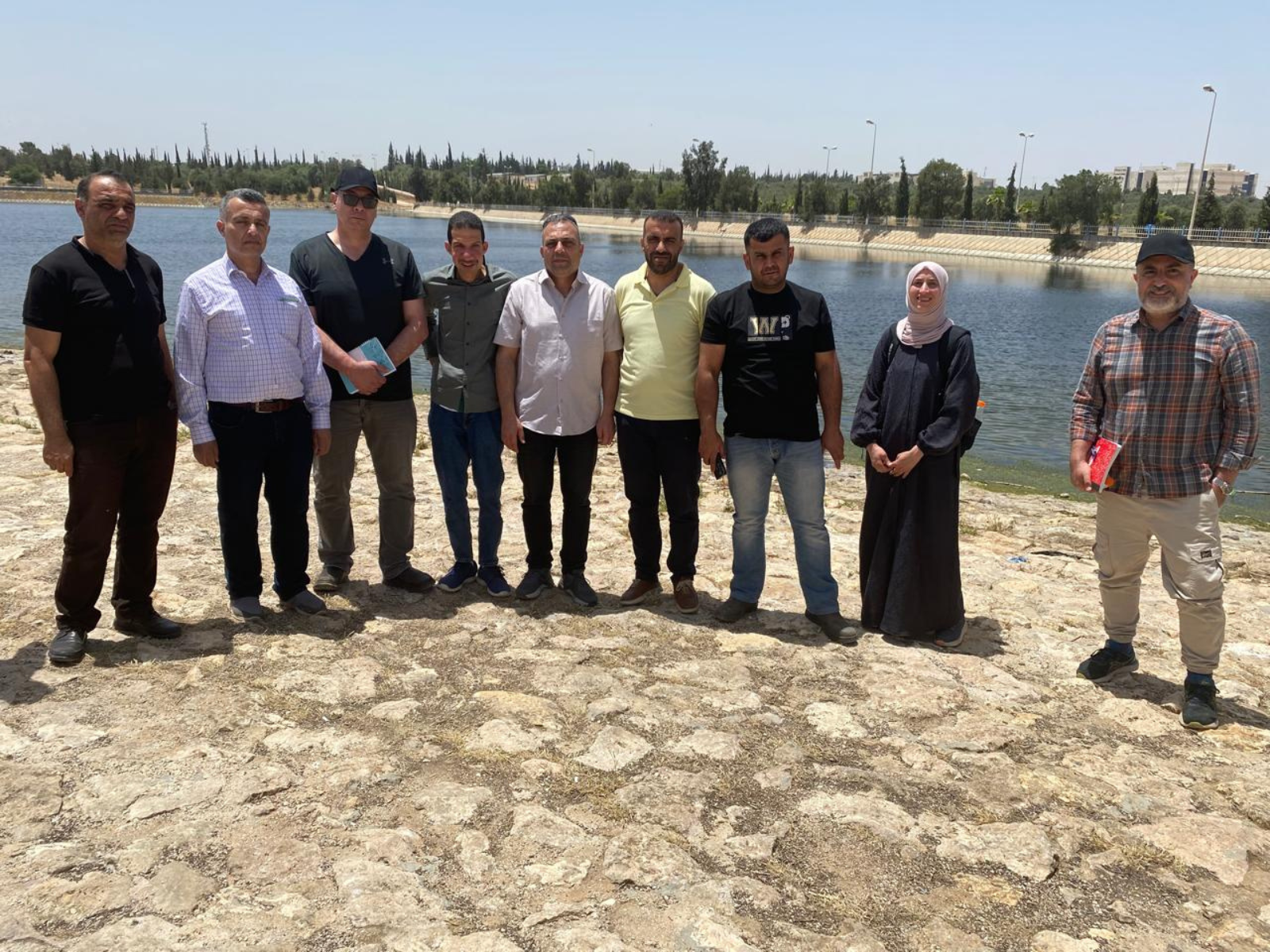
- Visit to a wastewater treatment facility linked to reuse irrigation
- On-site learning at model farms applying reuse practices
- Exchange sessions with agronomists and institutions involved in extension programs.
- Monitoring and Evaluation:
- Pre- and post-training assessments.
- Daily feedback and participatory review sessions.
- Final reporting with recommendations for future training cycles.
Project Impact According to OECD-DAC Evaluation Criteria
Project Relevance
The ARD Training of Trainers (ToT) on irrigation using treated wastewater is highly relevant to the socio-environmental context in Palestine, especially in the Hebron and Tubas governorates, where water scarcity is a major constraint for agriculture and rural livelihoods.
- The project aligns with national water reuse strategies and the Palestinian Authority’s interest in scaling up non-conventional water sources, particularly treated wastewater (TWW), to reduce pressure on freshwater sources.
- Rural households in areas like Tayassir and Kharas are disproportionately affected by limited water access, lack of technical know-how, and the absence of locally contextualized training programs.
- The project directly addresses these issues by building the capacity of local agronomists to become trainers in REUSE and irrigation—thereby empowering institutions, communities, and farmers to adopt more sustainable and resilient water management practices.
- The training also contributes to international development priorities, including the SDGs, specifically:
- SDG 6 – Clean Water and Sanitation
- SDG 12 – Responsible Consumption and Production
- SDG 13 – Climate Action
- SDG 2 – Zero Hunger (through sustainable agriculture)
The emphasis on gender inclusion, digital learning (TME), and practical skill-building ensures the program remains grounded in current educational and development needs.
Project Coherence
The ToT initiative demonstrated strong internal and external coherence, ensuring alignment between project design, stakeholder priorities, and existing institutional frameworks.
- Internal Coherence:
- The training content was logically structured to support the progressive development of technical knowledge, practical skills, and training competencies.
- It integrated a blend of methodologies—theoretical sessions, field visits, hands-on application, and digital education tools—ensuring multidimensional learning outcomes.
- External Coherence:
- The project is part of the larger IWRM Phase II initiative implemented by Al-Ard for Agricultural Development, which seeks to improve water management and living conditions for rural Palestinian households.
- It complements broader efforts by French development agencies and local Palestinian institutions to enhance water reuse and agricultural productivity.
- The training aligns with sectoral policies of the Palestinian Ministry of Agriculture, Environmental Quality Authority, and Palestinian Water Authority, especially in terms of promoting safe reuse, public health safeguards, and capacity building.
Project Effectiveness
The project achieved its key objectives with high effectiveness, as evidenced by the successful delivery of training content, strong participant engagement, and measurable learning outcomes.
- 2 agronomists (men and women) successfully completed the 5-day training and are now equipped to serve as local trainers in REUSE irrigation.
- Participants gained technical expertise in:
- Design of irrigation systems using TWW
- Wastewater quality management
- Crop-water-nutrient compatibility
- Safety protocols and filtration systems
- Digital education tools (TME)
- Practical field visits to model farms and wastewater treatment plants provided real-world exposure and validation of theoretical knowledge.
- Daily evaluations and a final training report indicate significant improvement in knowledge and confidence among participants.
The program also created opportunities for peer learning, allowing participants from diverse institutions to exchange ideas, share local challenges, and co-develop solutions.
Project Efficiency
The project was implemented efficiently, with optimal use of time, human resources, and logistical arrangements.
- Training was delivered over 7 days, including arrival and departure, minimizing downtime while maximizing instructional hours.
- MIRRA’s Climate-Smart Farm served as an ideal centralized location, reducing transport time while offering all necessary facilities for both classroom and field training.
- Trainers were highly qualified and experienced in REUSE, which ensured the smooth delivery of complex material in a short time.
- The agenda was well-balanced across topics and delivery formats, combining lectures, discussions, site visits, and hands-on technical activities.
- Participants were selected carefully to ensure their capacity to scale the training within their organizations, which enhances cost-effectiveness through a multiplier effect.
- Pre- and post-assessments ensured feedback was captured continuously, enabling adaptive management.
Project Impact
The project is already producing short-term tangible impacts, with strong potential for long-term transformational effects.
Institutional Impact:
- The 12 trained professionals will now act as catalysts for knowledge transfer within ministries, NGOs, cooperatives, and research centers.
- Institutions will benefit from enhanced internal capacity to design and implement REUSE strategies, influencing policies and operational planning.
Community Level Impact:
- The training indirectly benefits farmers and rural communities in Hebron and Tubas, where these trainers will deliver follow-up workshops and technical assistance.
- Increased knowledge and social acceptance of reuse practices will contribute to improved food production, income generation, and climate resilience at the household level.
Sectoral Impact:
- The project contributes to the broader development of a reuse-focused irrigation sector in Palestine.
- It fosters cross-border learning between Jordan and Palestine, setting a precedent for future regional collaborations on water and agriculture.
Project Sustainability
The sustainability of the project is strongly supported by several structural and strategic factors:
- Technical Sustainability:
- Participants were trained not only in reuse practices but also in system design, monitoring, and maintenance, giving them the tools to support long-term implementation.
- Use of TME tools promotes ongoing learning, remote support, and knowledge sharing.
- Institutional Sustainability:
- The project was embedded within a long-term initiative (IWRM Phase II), ensuring alignment with local governance structures and funding streams.
- Collaboration with local and international partners—including Al-Ard, Experts-Solidaires, MIRRA, and French agencies—creates a platform for future programming and support.
- Social Sustainability:
- The focus on training trainers ensures a self-replicating model that builds capacity at the grassroots level.
- Participants are positioned to become community leaders and advocates for REUSE, contributing to wider societal acceptance of treated wastewater in agriculture.
- Environmental Sustainability:
- Promoting treated wastewater for irrigation reduces pressure on freshwater aquifers and contributes to sustainable land use and climate adaptation strategies.
Stakeholder Engagement with Strategic Groups
Project Beneficiaries
The ARD ToT initiative had clearly defined primary and secondary beneficiaries, with engagement strategies tailored to maximize both direct training impact and long-term outreach.
Direct Beneficiaries:
- 12 agronomists (male and female) from the West Bank (Hebron and Tubas) were the core participants. They represent:
- Government agencies
- NGOs and development organizations
- Agricultural extension offices
- Water reuse and irrigation-related institutions
- These individuals were selected based on:
- Their technical background in water, reuse, or irrigation
- Their potential to serve as trainers in future farmer and community training sessions
- Their existing involvement in rural development or agricultural planning
Indirect Beneficiaries:
- Rural farmers and households in Tayassir and Kharas who will be reached indirectly through future training and technical support delivered by ToT graduates.
- Local institutions and cooperatives, which will gain skilled personnel able to drive REUSE initiatives.
- Policy makers and water sector stakeholders, benefiting from the dissemination of scientifically grounded, community-supported irrigation approaches.
The project ensured that its core beneficiaries were not passive recipients but active co-creators of future impact, thus reinforcing ownership and long-term utility.
Project Engagement with Women
Gender inclusion was an integral part of the ToT program’s design and delivery.
- Female agronomists were deliberately included among the selected trainees to ensure representation from women in technical and leadership roles.
- Women participated in:
- Technical discussions
- Practical irrigation system design
- Digital learning sessions (Technology-Mediated Education)
- Field visits to model reuse sites
- The training acknowledged the vital role of women in water and agriculture in Palestine, especially at the household and community levels.
Through this engagement:
- Female participants are now equipped to train other women farmers, helping overcome social and gender-based barriers to adoption of treated wastewater practices.
- The training created a space for inclusive dialogue, enabling both male and female professionals to share perspectives on sustainability, safety, and innovation in reuse systems.
This emphasis on gender equality contributes directly to SDG 5 (Gender Equality) and SDG 6 (Clean Water and Sanitation), and strengthens social sustainability.
Project Engagement with Farmers
While farmers were not the direct trainees in this phase, they are the ultimate intended beneficiaries, and the training was designed to enable systematic outreach to them through:
- Trainee Role as Intermediaries:
- The 12 trainees were selected based on their field experience and their capacity to serve as trainers of farmers.
- The training included modules on adult learning, interactive training techniques, and field-based demonstrations, all tailored for farmer engagement.
- Trainers are now equipped to:
- Tailor reuse irrigation messages to diverse farmer profiles
- Conduct local workshops and hands-on field sessions
- Support behavior change and address farmer concerns on reuse (e.g., safety, crop suitability, system maintenance)
- Indirect Farmer Engagement Through Field Visits:
- Participants visited farms already using treated wastewater and met with practicing farmers to:
- Observe real-world application of the techniques
- Discuss practical challenges and benefits
- Understand farmer priorities, constraints, and success factors
- These interactions helped bridge the gap between theory and practice, enriching trainers’ ability to engage empathetically and effectively with farmer communities back home.
- Institutional Linkages:
- The program reinforced institutional channels—via Ministries, NGOs, and cooperatives—that will be used to deliver follow-up training to farmer groups.
- Some participants are already embedded in extension programs or rural development initiatives, ensuring immediate applicability of what they learned.