Water scarcity and inadequate water infrastructure in Jordan pose significant challenges to schools, affecting both the learning environment and public health conditions for students and teachers. Many public schools—particularly those in under-resourced and rural areas—struggle with:
- Lack of awareness on efficient water use and conservation.
- Poorly maintained infrastructure, including broken water taps, leaking pipes, and inefficient sanitation systems.
- Limited technical capacity among teachers and maintenance staff to promote and manage sustainable water practices.
- Underutilization of treated greywater in schools, despite its potential for non-potable reuse and irrigation.
These challenges lead to increased water wastage, higher operational costs, and missed opportunities to integrate sustainability education into the school curriculum. Addressing these issues requires not only technical fixes but also behavioral change, capacity building, and school-wide engagement on sustainable water management.
Project Summary
The Water-Wise Schools (WWS) project was a 4-month initiative implemented by MIRRA in collaboration with Water Solutions International (WSI), and funded by Stiftung Nord-Süd Brücken (Germany) and WSI. The project aimed to enhance the living and learning conditions of school pupils and teachers across Jordan by promoting sustainable water management practices, improving infrastructure, and raising awareness through targeted training and multimedia campaigns.
Project Objectives
- Raise awareness among schoolteachers, staff, and students about efficient and sustainable water use.
- Improve technical capacity of teachers and directorate maintenance personnel to identify, manage, and prevent water-related issues.
- Promote water reuse, particularly greywater reuse, by integrating practical examples and success stories into trainings.
- Enhance school infrastructure through low-cost, high-impact repairs (e.g., fixing leaks, replacing taps).
- Disseminate knowledge nationally through digital media, encouraging replication and scaling of water-wise practices.
To achieve the objectives listed, the project achieved the following key outcomes:
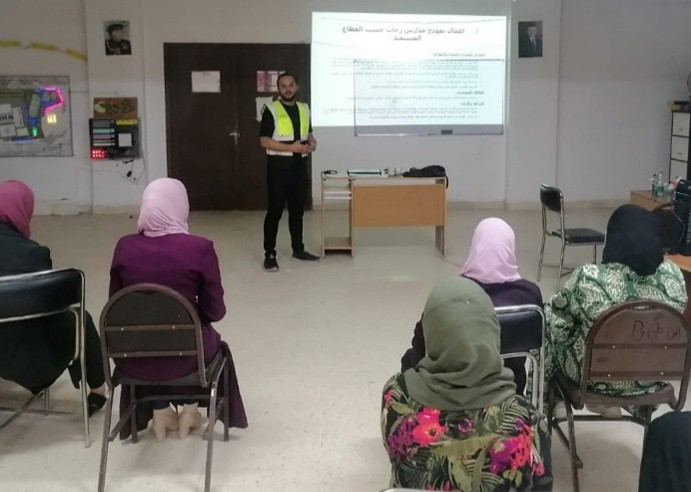
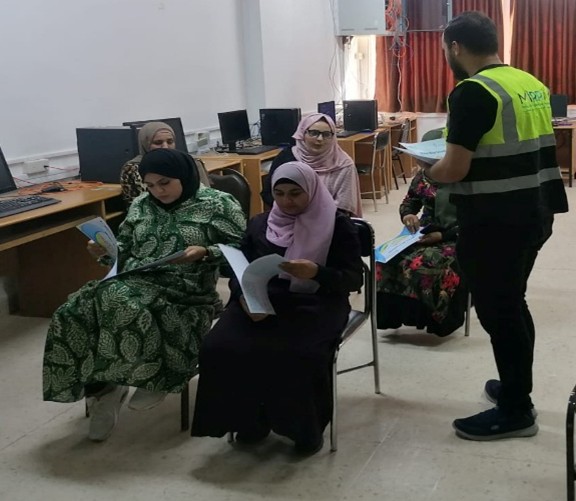
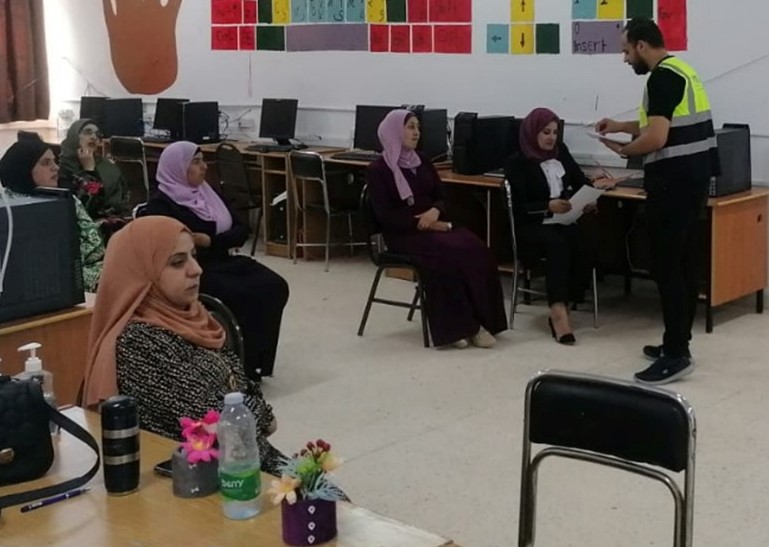
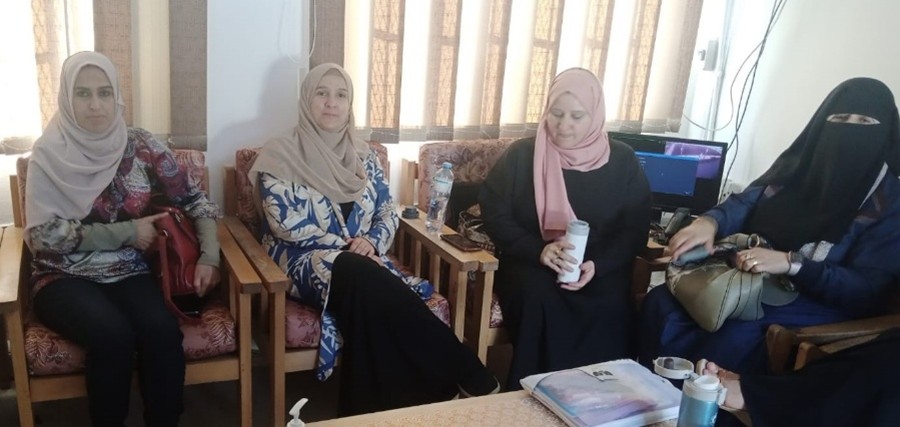
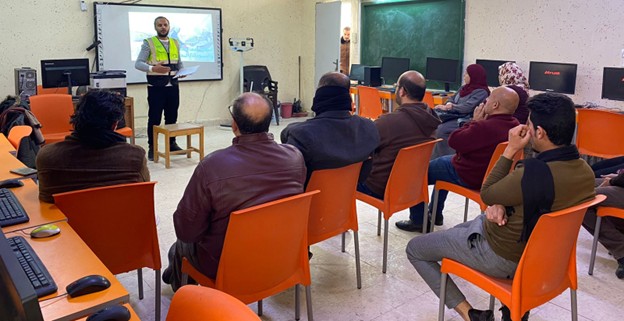
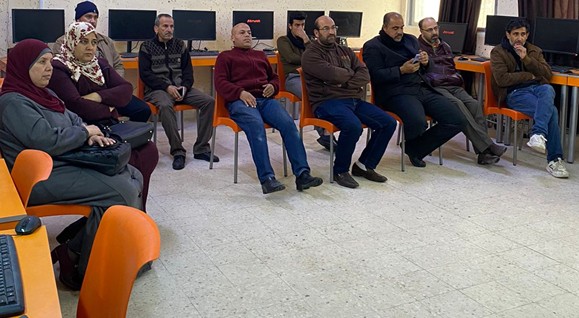
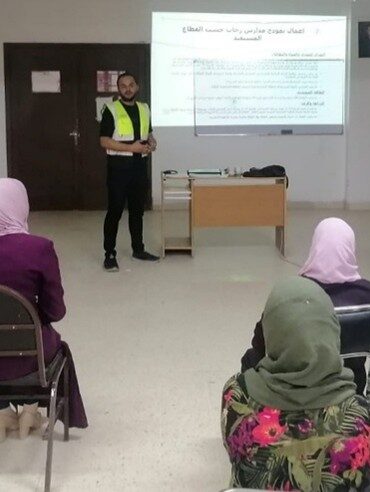
- Trained 87 teachers (43 male, 44 female) from 9 schools in water conservation, water reuse, and maintenance monitoring.
- Conducted 3 regional training workshops (North, Central, South) in collaboration with local education directorates.
- Shared greywater reuse models and success stories from other MIRRA projects, expanding trainees’ knowledge beyond classroom-based conservation.
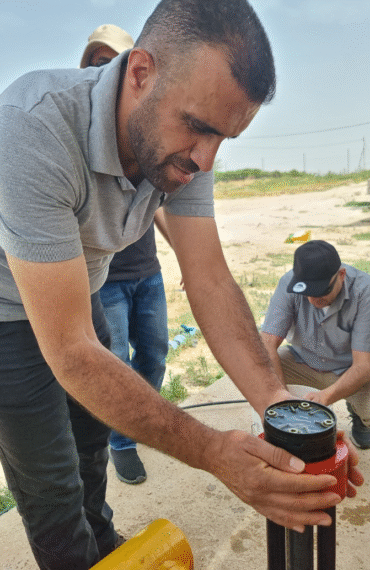
- Carried out field visits to all 9 schools, providing:
- On-the-spot assessments
- Repairs of water systems
- Practical demonstrations
- Created and disseminated awareness content through:
- Facebook posts and videos
- LinkedIn campaigns
- Educational YouTube content
- Strengthened ties between MIRRA, WSI, and national education stakeholders to support future scaling and institutional adoption.
The project successfully addressed both practical infrastructures needs and behavioral aspects of water management in schools, setting a foundation for future WWS expansion in Jordan.
Project Activities
The WWS project was designed around a multi-tiered approach, combining awareness-raising, capacity building, and small-scale infrastructure improvement. The activities were strategically selected to generate immediate impact and build long-term momentum for sustainable change in schools.
Key Activities:
1. Regional Training Workshops
- Conducted in Northern, Central, and Southern regions.
- Engaged 87 teachers in interactive sessions on:
- Water conservation practices
- Maintenance monitoring
- Greywater reuse opportunities
- Practical classroom applications
- Workshops also targeted Ministry of Education maintenance staff.
2. Field Visits to 9 Schools
- Follow-up visits ensured training translated into action.
- Teams conducted:
- On-site evaluations of water fixtures
- Small repairs and replacements (e.g., leaking taps)
- Reinforcement of maintenance procedures with staff
3. Integration of Greywater Reuse Content
- Shared successful examples from MIRRA’s other reuse projects (e.g., Jordan Valley initiatives).
- Introduced practical techniques and technologies suitable for school-level reuse.
4. Multimedia Awareness Campaign
- Produced digital content in Arabic, aimed at schools, families, and the general public.
- Disseminated via:
- Facebook and LinkedIn (project updates, visuals, tips)
- YouTube videos on water-wise behavior and systems
- Extended visibility beyond project participants.
5. Monitoring and Documentation
- Collected pre- and post-training feedback.
- Documented lessons learned and recommendations for scaling.
- Prepared final report for funders and partners, including visuals and activity logs.
Project Impact According to OECD-DAC Evaluation Criteria
Project Relevance
The WWS project was highly relevant to Jordan’s national context, particularly within the education and water sectors. Jordan is one of the most water-scarce countries in the world, and many public schools suffer from limited infrastructure, water waste, and low awareness among both students and staff about sustainable water practices. The project directly addressed these challenges by:
- Targeting schools across three regions (North, Central, South) to reflect geographic and socio-economic diversity.
- Aligning with Ministry of Education priorities on improving learning environments and school infrastructure.
- Promoting low-cost, high-impact water solutions, which are scalable and appropriate for public schools with limited maintenance budgets.
- Contributing to broader development goals, especially:
- SDG 6: Clean Water and Sanitation – by enhancing water efficiency and reuse.
- SDG 4: Quality Education – by embedding sustainability in school systems.
- SDG 13: Climate Action – by reducing water waste and encouraging behavior change.
By engaging both teachers and maintenance personnel, the project targeted those in direct contact with water management in schools, ensuring practicality and ownership.
Project Coherence
The WWS project demonstrated strong internal and external coherence in its design and execution.
- Internal Coherence:
- The project’s three components—training, infrastructure support, and awareness—were logically integrated to reinforce one another.
- Training materials introduced during workshops were directly applied during on-site school visits, creating an effective feedback loop between learning and action.
- Greywater reuse content was incorporated from other MIRRA projects, aligning internal experiences with the goals of WWS.
- External Coherence:
- The project aligned with the strategies and expectations of all partners:
- Water Solutions International (WSI) and Stiftung Nord-Süd Brücken: Shared focus on practical water-saving technologies and education in development cooperation.
- Jordanian education authorities: Supportive of capacity building for maintenance and hygiene improvement.
- WWS also leveraged existing relationships with schools and built on the success of previous MIRRA water and reuse programs, particularly in the Jordan Valley.
The project enhanced coherence between environmental education and infrastructure development, strengthening the foundation for long-term systemic improvement.
Project Effectiveness
The project successfully met and, in some cases, exceeded its planned objectives during its four-month implementation period.
- 87 teachers trained from 9 schools (44 female, 43 male), demonstrating gender balance and regional coverage.
- Three regional workshops delivered in coordination with local education directorates.
- Participating teachers gained skills in:
- Detecting and reporting water leaks.
- Promoting behavioral change among students and peers.
- Integrating water conservation topics into school life.
- Maintenance staff received targeted guidance on repairs and system oversight.
- Conducted individual school assessments and carried out minor infrastructure repairs during follow-up field visits.
- Raised awareness of greywater reuse models, expanding participants’ knowledge beyond basic conservation.
Awareness Impact
- Shared 10+ media outputs on Facebook, LinkedIn, and YouTube, expanding project reach beyond direct beneficiaries.
- Documented activities and success stories in a final report and photo archive for future dissemination.
The combination of technical training, hands-on support, and digital awareness tools proved highly effective in meeting project objectives.
Project Efficiency
Despite its short duration, the WWS project demonstrated excellent efficiency in resource and time management.
Operational Efficiency:
- The training workshops were regionally distributed, reducing travel burdens and improving accessibility.
- Training content was highly focused and practical, maximizing knowledge transfer within a limited time.
- MIRRA leveraged its existing team, facilities, and community ties to minimize administrative overheads.
- Field visits were synchronized with training content and allowed for immediate follow-up, reducing duplication of effort.
Financial Efficiency:
- The project used low-cost interventions (e.g., leak detection and tap repair) with high return on investment in water savings.
- Co-funding from WSI and Stiftung Nord-Süd Brücken enabled implementation without extensive fundraising delays or additional procurement cycles.
The project delivered wide regional coverage, measurable outcomes, and long-term capacity building within a tightly managed timeframe and budget.
Project Impact
While the project was short-term in nature, its design produced both immediate and foundational long-term impacts.
Institutional and Community Impact
- Created direct collaboration between MIRRA and local education directorates, laying groundwork for future policy-level influence.
- Increased the visibility of sustainable water practices in school environments, contributing to positive perception and behavior change among school communities.
- Digital outreach campaign extended awareness to the general public and education professionals beyond the participating schools.
Immediate Impacts
- Improved water practices at 9 public schools, affecting hundreds of students and staff indirectly.
- Strengthened teacher capacity to monitor water use, detect faults, and act as environmental stewards within their schools.
- Encouraged inclusion of water-saving themes in student activities and classroom conversations.
Educational Sector Impact
- Introduced new approaches to practical sustainability education in Jordan’s school system.
- Enhanced the role of teachers as facilitators of environmental change—not just subject instructors.
Project Sustainability
The project incorporated several strategies to ensure post-project sustainability of outcomes and practices.
Technical Sustainability
- Teachers and maintenance personnel were trained not only in theory but also in how to maintain and monitor water systems, ensuring knowledge application beyond the training period.
- The infrastructure repairs completed during the project (e.g., taps, leaks) extended the functional life of school water systems.
Institutional Sustainability
- The project worked closely with education directorates, ensuring that capacity building was institutionalized, not isolated.
- MIRRA now has a replicable model for WWS training that can be scaled across other schools with minimal adaptation.
Social Sustainability
- Teachers were encouraged to act as water ambassadors, enabling the continued spread of water-wise behavior among pupils and fellow staff.
- The incorporation of student engagement and visual materials fosters ongoing behavioral reinforcement.
Strategic Sustainability
- The success and documentation of this pilot initiative position it well for future funding rounds and potential integration into national school maintenance and curriculum reform efforts.
Stakeholder Engagement with Strategic Groups
Project Beneficiaries
The Water-Wise Schools project was designed to deliver both direct and indirect benefits to a range of education-sector stakeholders, with a special focus on public school teachers and students across Jordan. Beneficiary engagement was tailored to maximize institutional learning, school-level change, and long-term impact.
Direct Beneficiaries
- 87 teachers (43 male, 44 female) from 9 public schools across three regions of Jordan (Northern, Central, and Southern).
- Teachers were selected in collaboration with the Ministry of Education directorates, ensuring relevance and institutional support.
- Participants gained:
- Practical skills in water efficiency, leak detection, and hygiene improvement
- Knowledge of greywater reuse as an emerging practice
- Resources to act as school-based facilitators for sustainable water management
- Directorate maintenance staff also participated, benefiting from:
- On-site technical coaching during school visits
- Exposure to best practices in maintenance routines for water systems
Indirect Beneficiaries
- Hundreds of students at the participating schools, who benefit from:
- Improved water infrastructure (e.g., repaired taps)
- Enhanced water hygiene and conservation practices promoted by trained teachers
- School administrators, who gained new tools to improve infrastructure oversight and integrate sustainability into daily operations
- Wider education community:
- Through digital dissemination (via Facebook, LinkedIn, and YouTube), the awareness campaign reached educators, NGOs, and parents nationwide, indirectly informing and influencing public opinion on water conservation
- Future school programs and initiatives that may replicate the WWS model
By engaging at multiple levels—from classroom teachers to directorate-level staff—the project ensured a systems-based approach to capacity building.
Project Engagement with Women
The WWS project demonstrated a strong commitment to gender inclusion by intentionally involving women as key actors in project implementation and knowledge dissemination.
Women as Direct Participants:
- Out of 87 teachers trained, 44 were women, representing more than 50% of total participants.
- Women participated in all training workshops and field visits equally with their male counterparts.
- Female educators were empowered as:
- Change agents within their schools, capable of training peers and students on water-wise behaviors
- Contributors to the integration of sustainability topics into lessons and extracurricular activities
Empowerment through Skills:
- Female teachers were trained to identify technical issues such as leaks and faulty water systems—areas often considered outside traditional gender roles in many institutional settings.
- The project enabled women to actively participate in infrastructure assessment, which broadens their role in school maintenance and sustainability.
Long-Term Gender Impact
- The training of female teachers enhances their leadership role in education for sustainability.
- Given that women comprise a significant portion of the public education workforce in Jordan, this project has the potential to generate gender-multiplier effects as trained women share knowledge with students, colleagues, and communities.
- The content, particularly on health, sanitation, and reuse, aligns with topics that female educators are often assigned, enhancing their ability to deliver technically accurate and socially relevant instruction.
The WWS project not only included women—it positioned them as key drivers of behavioral change in schools and communities.