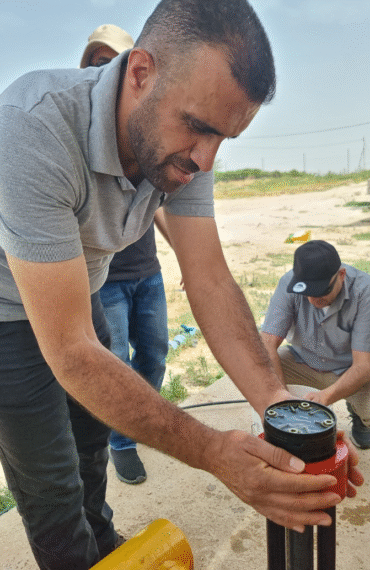
Stakeholder Workshops for Food-water-energy for Urban Sustainable Environments (FUSE)

Problem Statement
Jordan faces escalating challenges in the provision and management of food, water, and energy (FWE) resources, particularly in urban areas such as Amman. Rapid population growth, urbanization, and climate change have placed unprecedented pressure on already scarce natural resources. Amman’s population has more than doubled since 2004, with projections estimating it will exceed 6 million by 2044 and 10 million by 2100. This growth is occurring in a context of water scarcity, energy dependency, food insecurity, and fragmented governance systems.
The city’s freshwater supply is intermittent and increasingly strained due to over-extraction of groundwater, pollution, and inefficient infrastructure. Energy consumption is rising, while the country remains heavily dependent on imported fossil fuels. Food systems are stressed by land degradation, water-intensive crop choices, and climate-related agricultural challenges. Planning and governance are hampered by sectoral silo-thinking, weak enforcement, limited public participation, and a lack of integrated strategies.
To address these complex and interrelated issues, there is a critical need for a systems-based, transdisciplinary approach that brings together diverse stakeholders, models long-term sustainability scenarios, and supports informed, inclusive policy development.
Project Summary
The FUSE Project (Food-Water-Energy for Urban Sustainable Environments) is a 3-year, transdisciplinary research initiative (2019–2021) implemented in Amman, Jordan. Led by Stanford University in partnership with IIASA, UFZ, ÖFSE, and MIRRA, the project is part of the Sustainable Urbanization Global Initiative of JPI Urban Europe and the Belmont Forum.
The project focused on the development of an integrated FWE systems model to explore sustainable pathways for Jordan’s urban future, with a focus on Amman. It employed a Sustainability Living Lab (SLL) approach, engaging stakeholders from civil society, government, academia, and the private sector in participatory workshops and scenario development.
Project Objectives:
- To identify and analyze the key challenges and vulnerabilities within the urban Food-Water-Energy (FWE) Nexus in Amman.
- To co-develop a long-term systems model that reflects real-world FWE interdependencies and socio-economic conditions in Jordan.
- To incorporate narratives of future change—such as climate variability, demographic shifts, urbanization, and technological development—into a predictive policy-evaluation tool.
- To provide stakeholders and decision-makers with reliable, data-driven tools to evaluate policy options and design implementable strategies for sustainable urban development.
- To build local capacity and encourage knowledge exchange across disciplines and institutions.
- To strengthen cooperation between sectors and actors, addressing silo-thinking through participatory modelling and shared visioning.
To achieve the objectives listed, the project achieved the following key outcomes:
- Developed a state-of-the-art FWE systems model tailored for the Amman region, integrating technical, economic, social, and governance variables
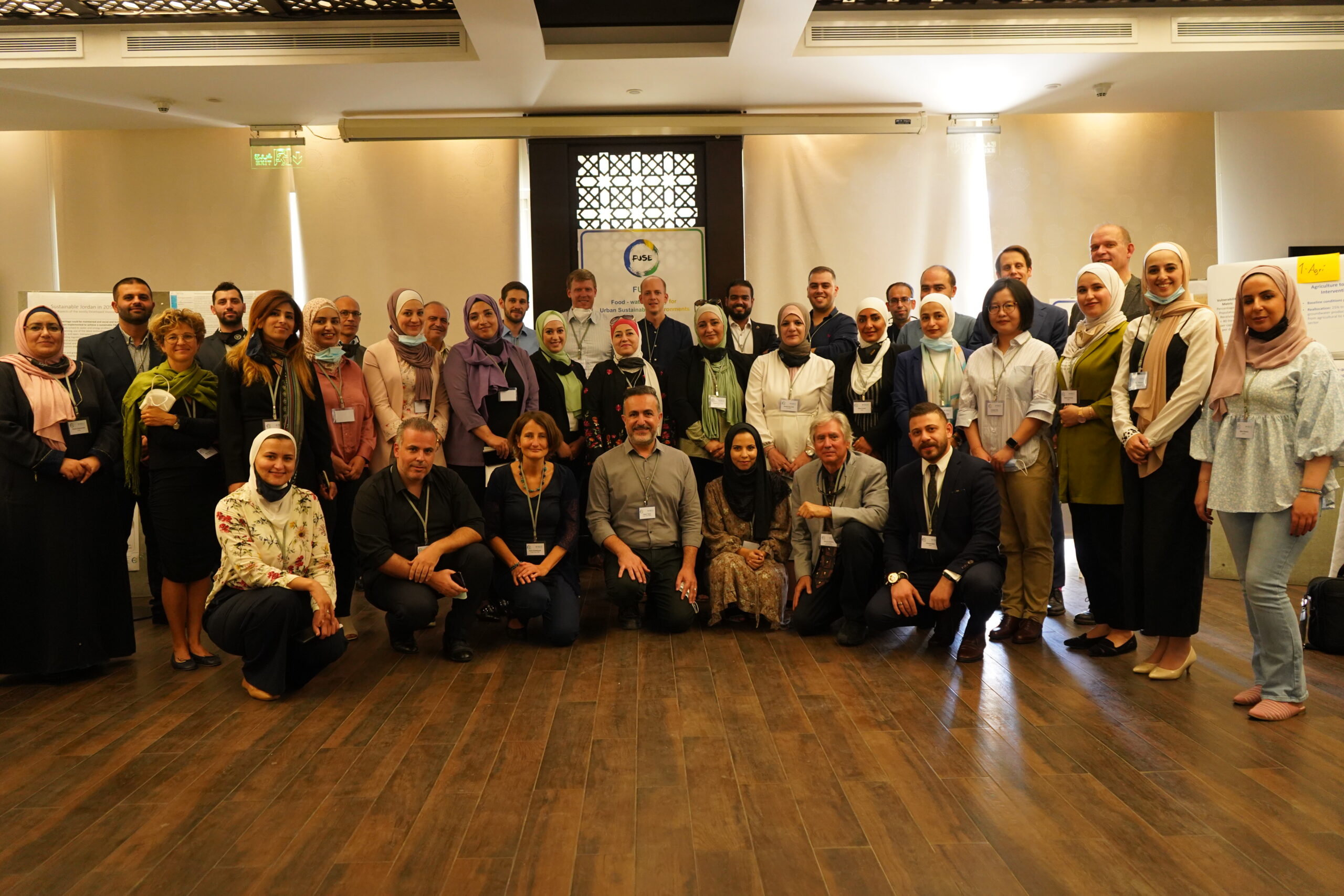
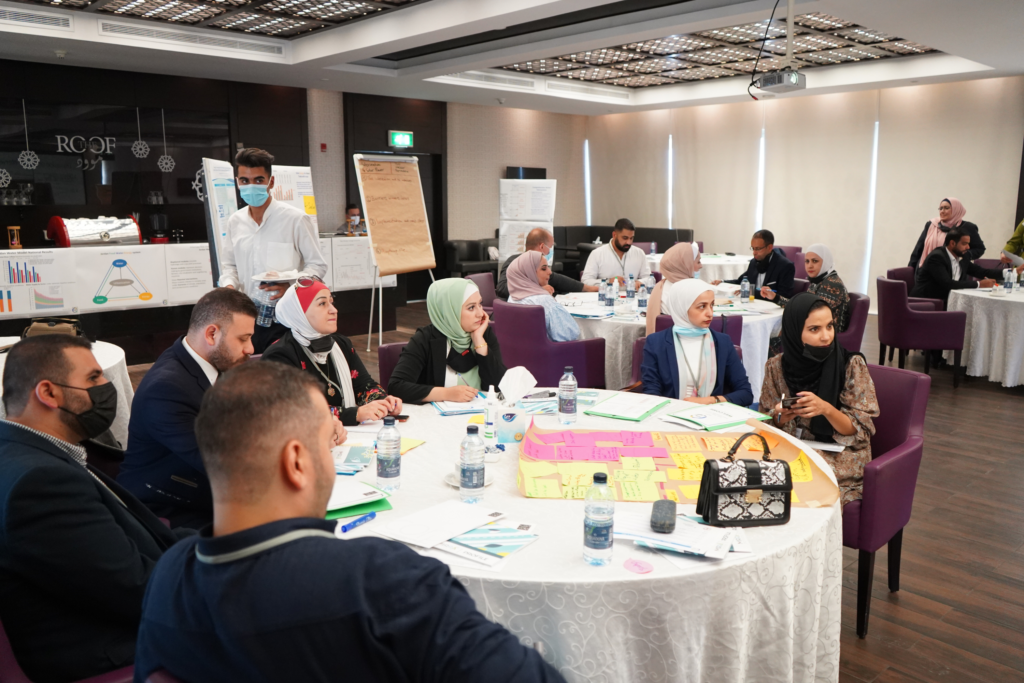
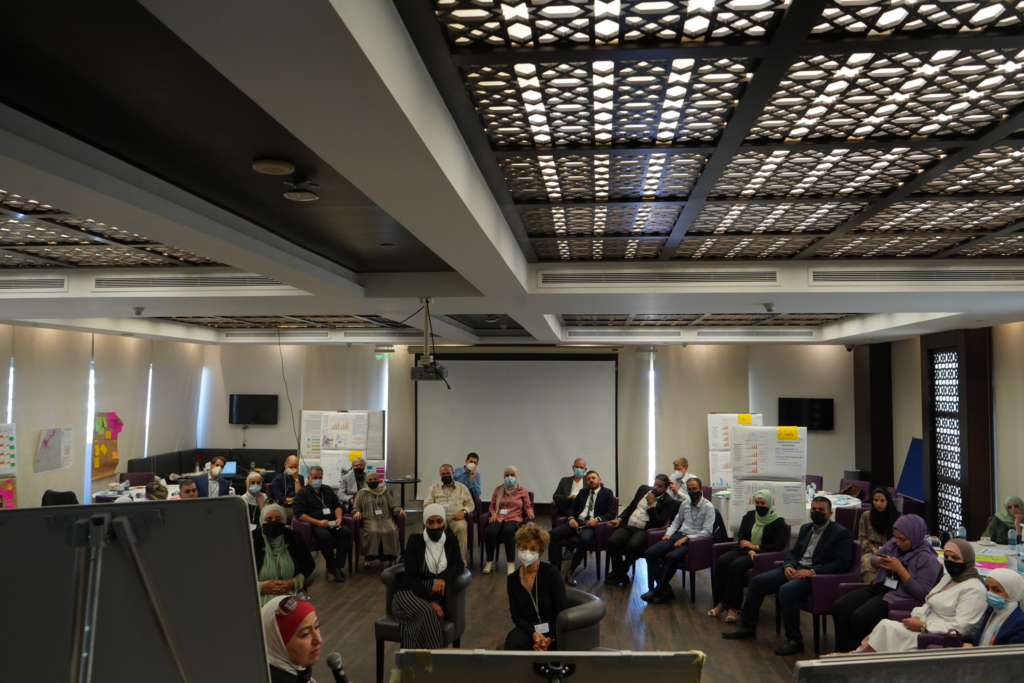
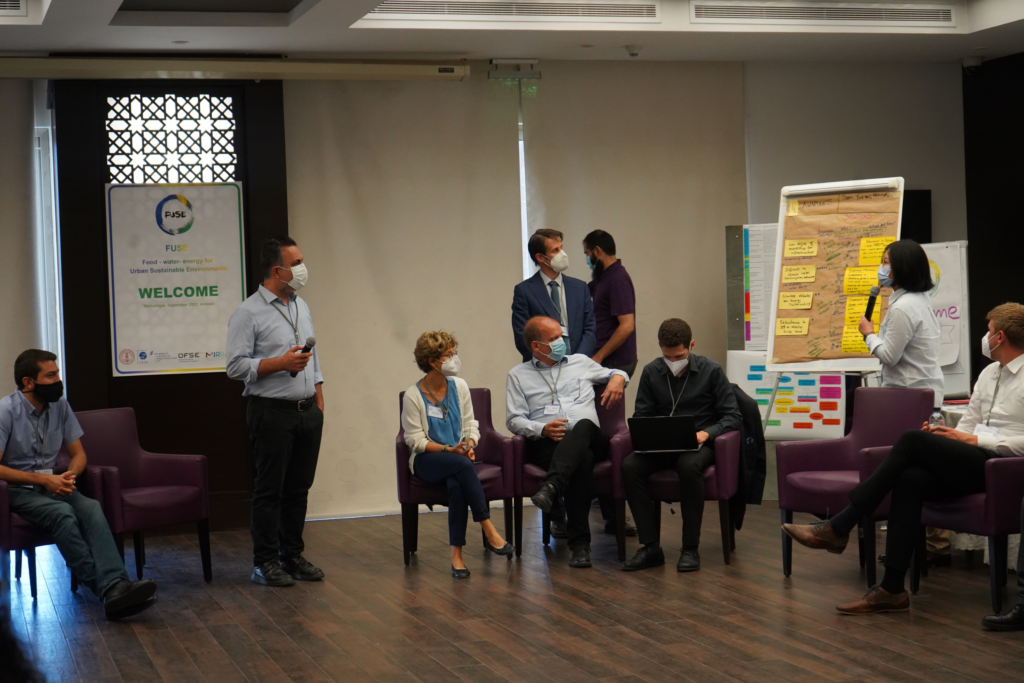
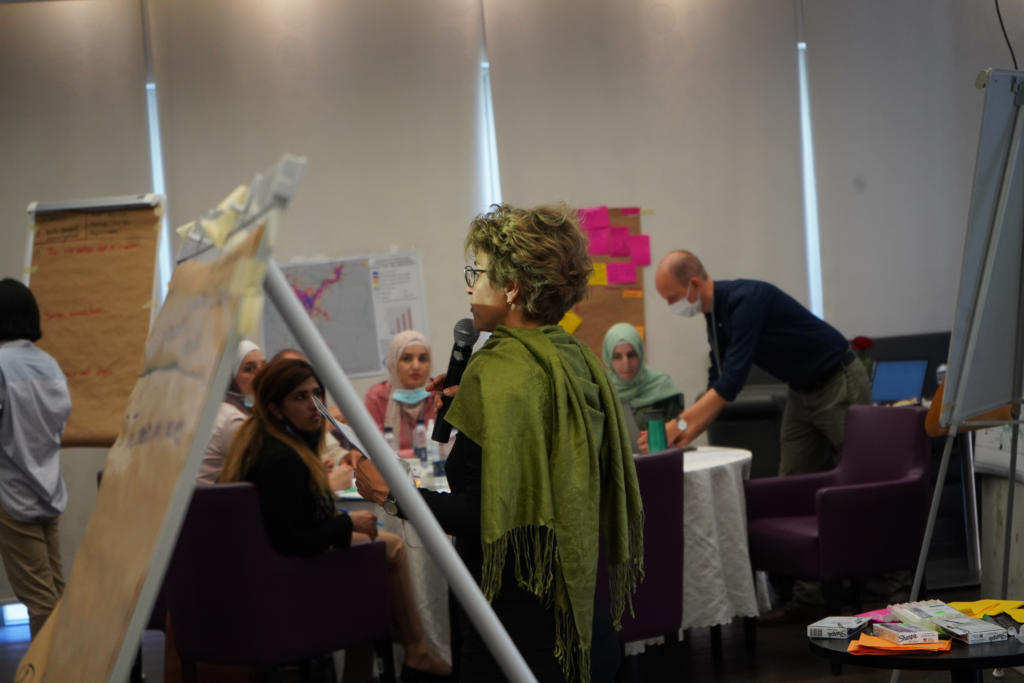
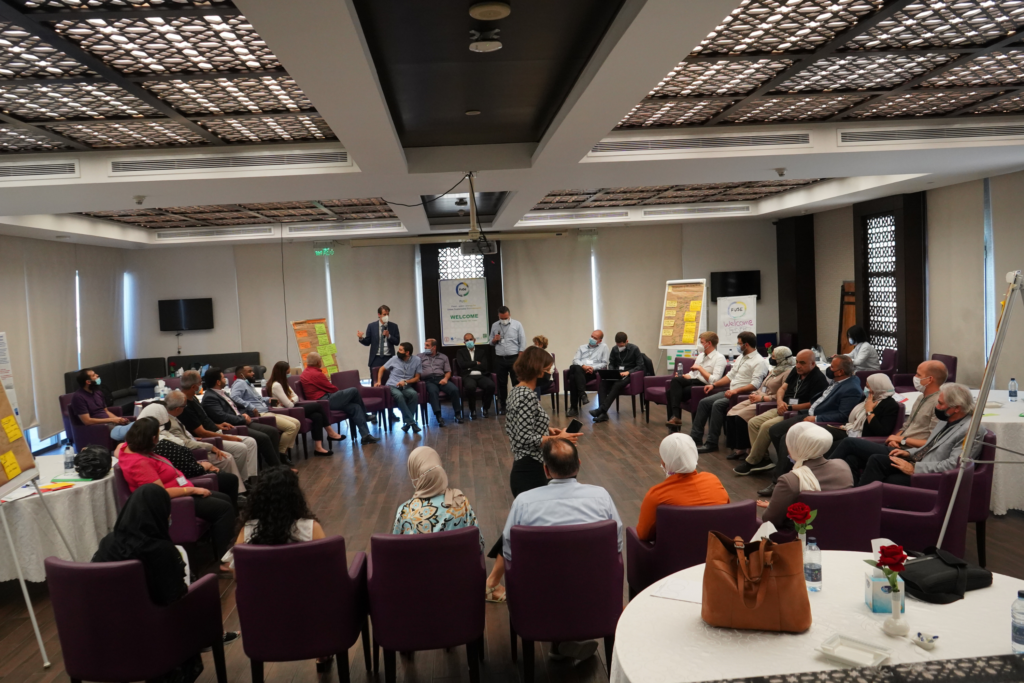
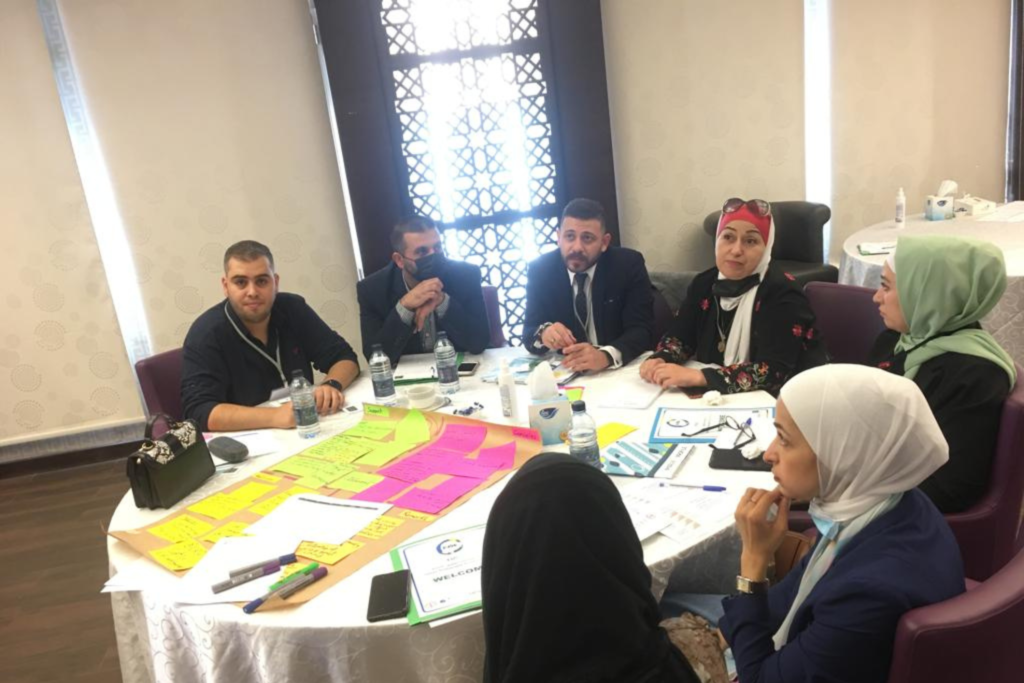
- Conducted two full rounds of stakeholder and expert workshops (2019 and 2021) with over 75 participants from 40+ institutions across government, academia, NGOs, and the private sector
- Captured locally grounded insights into FWE-related challenges, coping strategies, and long-term visions from farmers, engineers, urban planners, youth groups, and policy officials.
- Facilitated the co-creation of vision statements and solution pathways for 2050 in areas such as:
- Climate-resilient water systems
- Renewable energy deployment
- Urban sustainability and planning
- Smart agricultural transformation in the Highlands
- Produced comprehensive documentation, summary reports, and communication materials to disseminate findings across sectors.
- Promoted policy coherence and identified viable intervention points for Jordanian ministries, municipalities, and funding agencies to act on sustainability strategies.
- Strengthened local institutional engagement, with MIRRA coordinating Jordan-based workshops, outreach, and stakeholder analysis.
Project Activities
The FUSE project implemented a robust, interdisciplinary set of activities designed to explore and promote sustainable solutions across the Food-Water-Energy (FWE) Nexus in Amman. The approach combined systems modelling, participatory engagement, and scenario-based planning to integrate scientific analysis with local knowledge. Activities were carried out in close collaboration with stakeholders from government, academia, civil society, and the private sector to ensure that proposed solutions were context-relevant, technically sound, and socially acceptable. The core methodology followed a Sustainability Living Lab (SLL) model, emphasizing co-creation, mutual learning, and iterative feedback.
Key Activities:
Systems Modelling and Analysis:
- Developed a long-term integrated systems model to simulate interconnections and feedback loops across food, water, and energy sectors.
- Incorporated data on climate, demographics, land use, governance structures, infrastructure capacity, and resource flows.
- Tools and methods used included hydrologic simulation, economic scenario modelling, remote sensing for land-cover change, and energy demand forecasting.
Stakeholder Engagement through the Living Lab Approach
- Employed a participatory Living Lab framework to incorporate the knowledge, expertise, and priorities of local actors into all project phases.
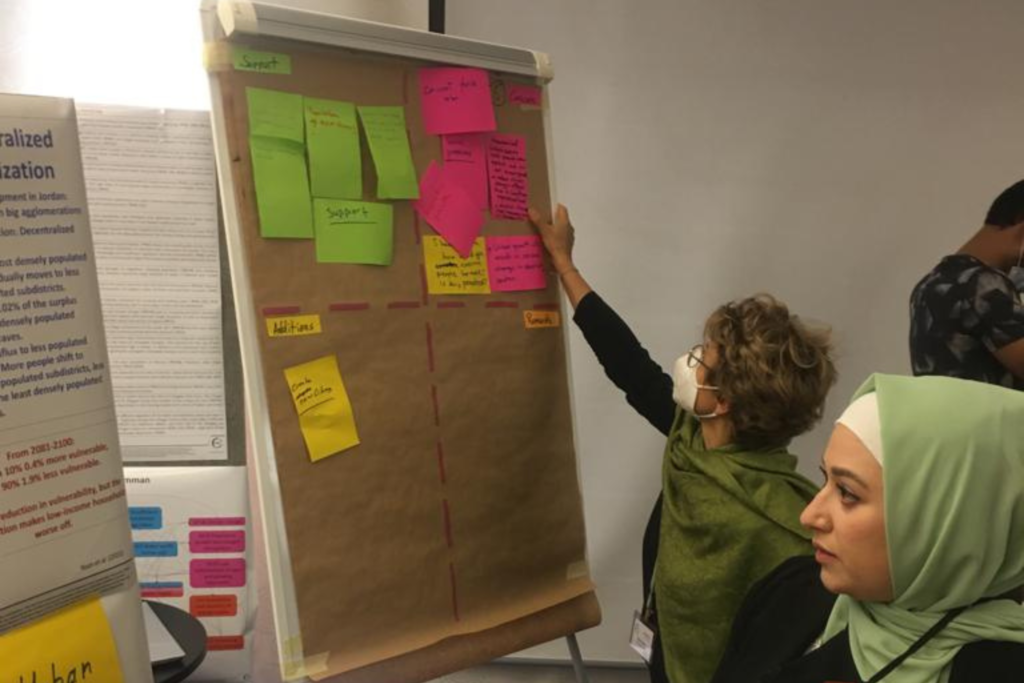
- First round of workshops (March 2019):
- Included 35+ participants from NGOs, ministries, academia, farmer unions, youth representatives, and utility providers.
- Participants shared FWE challenges, coping strategies, and solutions.
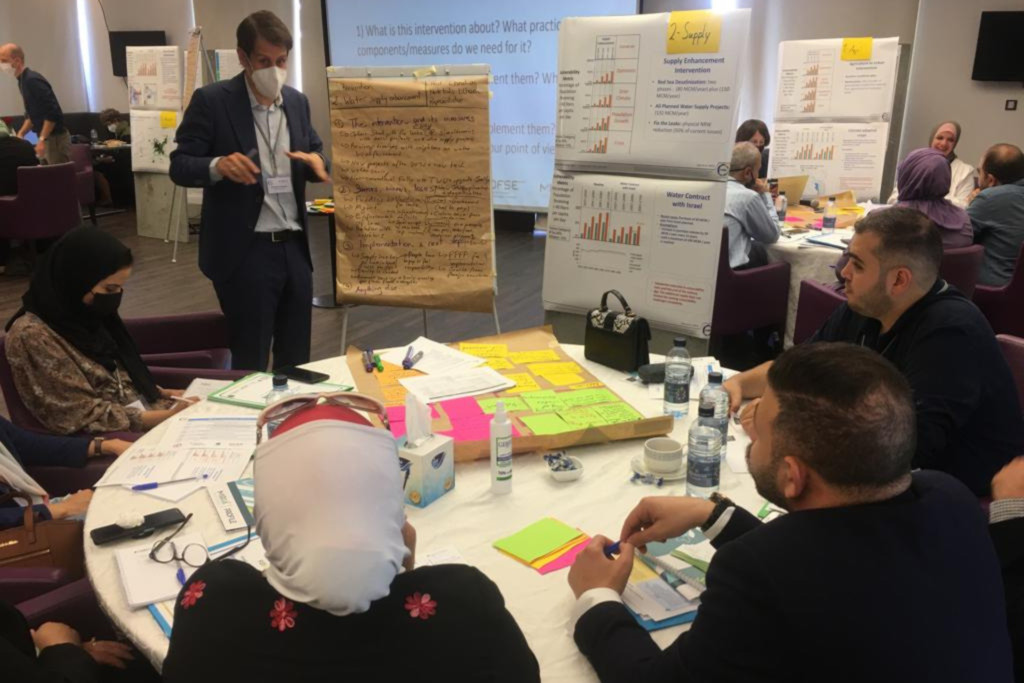
- Second round of workshops (January 2021):
- Presented systems model results.
- Gathered stakeholder feedback to refine and validate the findings.
Scenario Development and Visioning Exercises
- Facilitated collaborative visioning sessions to imagine a sustainable Greater Amman by 2050.
- Developed and discussed four major future perspectives:
- Climate change and water security
- Urban growth and infrastructure needs
- Agriculture in the Highlands under pressure
- Energy independence through renewables
- Participants proposed measurable interventions and governance improvements under each scenario.
Policy Dialogue and Dissemination
- Conducted high-level policy dialogues and shared results with national stakeholders.
- Produced and distributed summary reports, visual tools, and technical documentation of the model and workshops.
- Built linkages between local institutions (e.g., MIRRA, ministries, universities) and international research teams to encourage long-term collaboration and knowledge uptake.
Project Impact According to OECD-DAC Evaluation Criteria
Project Relevance
The FUSE project is highly relevant to Jordan’s national and urban challenges regarding food, water, and energy (FWE) resource management. Jordan is one of the most water-scarce countries in the world, heavily reliant on energy imports, and facing increasing demand on limited agricultural land due to rapid population growth and urban expansion, particularly in Amman.
The project directly responds to these urgent issues by:
- Focusing on the Greater Amman region, a rapidly urbanizing and resource-stressed area projected to reach 10 million residents by 2100.
- Addressing interlinked vulnerabilities such as intermittent freshwater supply, overexploited aquifers, inefficient agriculture, dependency on external energy, and climate variability.
- Recognizing and responding to the lack of integrated, long-term planning tools available to policymakers in Jordan for balancing resource demand and sustainability trade-offs.
The project also aligns with:
- Jordan’s national strategies on sustainable urban development, water governance, and renewable energy.
- Global priorities under the SDGs, particularly SDG 6 (Clean Water), SDG 7 (Affordable Energy), SDG 11 (Sustainable Cities), and SDG 13 (Climate Action).
Its participatory approach ensured that local stakeholders’ challenges and visions were embedded in the systems model and policy scenarios.
Project Coherence
The project demonstrated strong internal and external coherence at strategic, institutional, and operational levels.
Internal Coherence:
- The activities—systems modelling, participatory workshops, scenario analysis, and policy dialogue—were clearly interlinked and mutually reinforcing.
- A Sustainability Living Lab (SLL) approach ensured a consistent structure of co-creation, feedback, and iteration throughout the project lifecycle.
External Coherence:
- FUSE aligned with existing international initiatives including the Sustainable Urbanization Global Initiative of JPI Urban Europe and the Belmont Forum.
- It complemented and supported ongoing donor-funded projects and national strategies in Jordan focused on water efficiency, climate resilience, energy transition, and urban development.
Institutional Coherence:
- Strong collaboration among a multinational consortium (Stanford University, IIASA, UFZ, ÖFSE, MIRRA) ensured coherence between science, policy, and local engagement.
- Coordination with Jordanian ministries, municipalities, NGOs, and research institutions ensured that project objectives and outputs fit within national priorities and operational realities.
Project Effectiveness
The FUSE project effectively achieved its stated objectives:
- Development of a long-term FWE systems model customized to Jordan’s socio-environmental context, enabling simulations of policy and infrastructure scenarios through 2100
- Successful stakeholder engagement: Over 75 participants from 40+ institutions took part in two rounds of stakeholder and expert workshops, contributing to knowledge exchange and model refinement
- Visioning exercises generated shared perspectives on a sustainable Amman by 2050, across climate, agriculture, urban development, and energy sectors.
- Identification of actionable interventions and integrated policy solutions under four future perspectives:
- Water scarcity and climate change
- Urban expansion
- Agricultural pressure in the Highlands
- Renewable energy deployment
- Documentation and communication tools (summaries, reports, interactive sessions) were shared with national actors for broader learning and adoption.
Contribution to Objectives:
- The project met its objective of producing a policy-support tool that combines technical simulations with participatory design.
- It enabled local capacity building through direct engagement, learning-by-doing, and fostering transdisciplinary thinking.
Project Efficiency
The FUSE project was implemented efficiently, both in terms of resource use and coordination:
- Timely execution of stakeholder workshops (March 2019 and January 2021), despite challenges from external factors (e.g., COVID-19).
- Optimized use of local resources: MIRRA provided logistical coordination, stakeholder outreach, and contextual knowledge, reducing the cost and complexity of field operations.
- Activities were well sequenced, with early engagement feeding into model development, and later feedback refining and validating the scenarios.
- Scientific modeling and data analysis were performed using existing academic tools, minimizing the need for custom software development.
- Partner institutions contributed in-kind expertise and infrastructure, enhancing cost-effectiveness without compromising quality.
- The use of existing academic networks and policy relationships supported efficient dissemination and stakeholder recruitment.
Project Impact
The FUSE project generated significant and multi-layered impacts:
Institutional and Policy Impact:
- Government stakeholders (e.g., Ministry of Water and Irrigation, Greater Amman Municipality, Ministry of Energy, Ministry of Agriculture) were exposed to systems thinking and integrated planning tools.
- The project introduced a new standard for data-driven policy analysis in Jordan’s resource planning landscape.
- The systems model can guide real-time decision-making for infrastructure investments, land use changes, and resource allocations.
Community and Sectoral Impact:
- Farmers, civil society actors, and youth representatives contributed to scenario-building and gained visibility into national FWE strategies.
- Workshop participants collectively envisioned a sustainable, inclusive, and resource-efficient Amman by 2050, reinforcing community ownership of long-term solutions.
Knowledge and Research Impact:
- Contributed to global research on urban FWE systems modelling.
- Enhanced the knowledge base on Jordan-specific vulnerabilities and adaptive capacities in the FWE Nexus.
Project Sustainability
The sustainability of the FUSE project is supported by its methods, partnerships, and outputs:
- Technical Sustainability:
- The FWE systems model developed is modular and adaptable, allowing for updates and reuse by future researchers, planners, and government bodies.
- Its open-ended design ensures that it can accommodate new data, policy changes, or additional sectors.
- Institutional Sustainability:
- Partnerships with MIRRA, government ministries, and Jordanian universities build local capacity for continuing research and application.
- MIRRA’s involvement ensured that local knowledge and actors remain connected to the project outcomes beyond its formal end.
- Policy Uptake:
- The model and workshop outcomes were shared with decision-makers to support future urban planning and infrastructure policy.
- Participants expressed interest in replicating the process for other cities or regions in Jordan.
- Social Sustainability:
- Stakeholder engagement ensured ownership and inclusivity, with communities participating in problem-solving, increasing the likelihood of long-term adoption.
- The participatory methodology has set a precedent for community-informed policy development.
Stakeholder Engagement with Strategic Groups
Project Beneficiaries
The FUSE (Food-Water-Energy for Urban Sustainable Environments) project strategically targeted a broad and diverse group of beneficiaries, both directly and indirectly, to maximize the long-term relevance and impact of its research and policy tools.
Direct Beneficiaries:
- National and local government agencies, especially:
- Ministry of Water and Irrigation (MWI)
- Ministry of Energy and Mineral Resources (MEMR)
- Greater Amman Municipality (GAM)
- Ministry of Agriculture (MoA)
- Ministry of Environment (MoEnv)
- These institutions benefited from:
- Direct involvement in stakeholder and expert workshops
- Access to an integrated FWE systems model for scenario planning and policy evaluation
- Recommendations tailored to Jordan’s urban planning, resource efficiency, and climate resilience challenges.
Indirect Beneficiaries:
- Civil society organizations (CSOs) involved in food, energy, water, environment, and urban development sectors.
- Academia and research institutions (e.g., University of Jordan, JUST, Hashemite University) that participated in workshops and contributed data and knowledge.
- Private sector actors such as utility companies, water service providers, and green tech businesses, who engaged in future visioning and policy analysis.
- International donors and policy networks, including GIZ, USAID, and the Austrian Foundation for Development Research, which supported or monitored outcomes.
Community-Level Beneficiaries:
- Urban and peri-urban communities in Amman, especially those affected by water scarcity, infrastructure stress, and resource inequity.
- Youth groups and small-scale enterprises participated directly in workshops and were represented through NGOs.
- Farmers and agricultural unions, who contributed to and learned from scenario planning involving rural water management and crop system transitions.
The participatory nature of the project ensured that these groups not only benefited from outputs but also shaped inputs, increasing the relevance and applicability of the findings.
Project Engagement with Women
Although the FUSE project was not exclusively focused on gender, it demonstrated deliberate efforts to engage women in meaningful ways throughout its stakeholder engagement process.
- Representation in Stakeholder Workshops:
- Women participated as representatives of NGOs, academic researchers, urban development experts, and youth organizations.
- The participatory workshops in 2019 and 2021 included female voices in discussions on household water access, energy affordability, food security, and environmental education.
- Organizations such as the Water Wise Women Initiative (WWWI) and Jordanian Hashemite Fund for Human Development (JOHUD) were among the contributors, helping integrate gendered perspectives into water and energy resource planning
- Topics Addressed:
- Household-level coping strategies: Women contributed examples of water-saving practices, greywater reuse, and energy-saving behaviors in households—highlighting their critical role in managing resources on a daily basis.
- Sustainability behavior and awareness: Female participants emphasized the importance of community education on waste reduction, rainwater harvesting, and sustainable consumption—areas where women often lead.
- In the visioning exercise, women proposed inclusive urban designs that included walkable spaces, better public transport, and access to health and education—highlighting intersectional sustainability priorities.
- Impact on Gender-Inclusive Planning:
- The inclusion of women helped highlight the gendered dimensions of FWE challenges, especially related to domestic resource management, social equity, and urban safety.
- Their engagement contributed to shaping more inclusive policy recommendations, ensuring that future infrastructure and governance models reflect the needs of both men and women.
Project Engagement with Farmers
Farmers were a strategically critical stakeholder group in the FUSE project, particularly given the project’s emphasis on sustainable agriculture in the Highlands and the broader food-water-energy nexus.
- Engagement Methods:
- Farmers and agricultural representatives were actively involved in the stakeholder workshops held in March 2019, which included participants from:
- Farmer Unions
- National Center for Agricultural Research (NARC)
- Ministry of Agriculture (MoA)
- Jordan Valley Authority (JVA)
- These participants shared on-the-ground realities, including:
- Water theft and well over-extraction
- Use of high-water-demand crops (e.g., strawberries, melons)
- Limited access to modern irrigation and post-harvest technologies
- Farmer Perspectives Integrated into the Model:
- Farmers voiced concerns about:
- Declining groundwater levels (e.g., B2/A7 aquifer lowered by up to 60m between 1995–2017)
- Soil salinity and contamination
- Fragmented agricultural planning and lack of enforcement
- These insights were used to calibrate the systems model, ensuring it reflected actual field-level constraints.
- Visioning and Solutions Proposed by Farmers:
- During scenario planning (Perspective III: Agriculture in the Highlands), farmers contributed to ideas such as:
- Shifting to alternative, water-efficient crops
- Expanding agro-processing and value-added production
- Rainwater harvesting in rural areas
- Investments in drip irrigation and greywater reuse
- Greater market access and fair pricing mechanisms
- Their participation emphasized the need for decentralized infrastructure, better regulation, and financial incentives for sustainable farming.
- Benefits to Farmers:
- Gained exposure to long-term planning approaches, enhancing their ability to advocate for policy change.
- Recognized as co-creators of solutions, not just end-users or informants.
- Helped shape proposals for integrated planning across urban-rural boundaries, highlighting agriculture’s link to food security and urban sustainability.
NUFFIC 2 – Empowerment Syrian Refugees Widows and Capacity Development in Plumbing, Gray Water Treatment, and Reuse in Agriculture (ESWP)
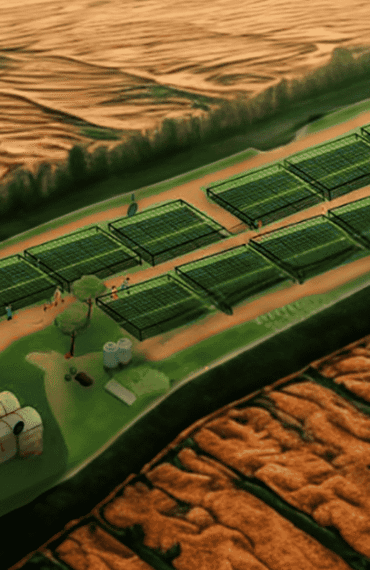
HTU Training – SAHARA Project: Innovative and Food Production inside the Water-Energy-Food Nexus inside Jordan
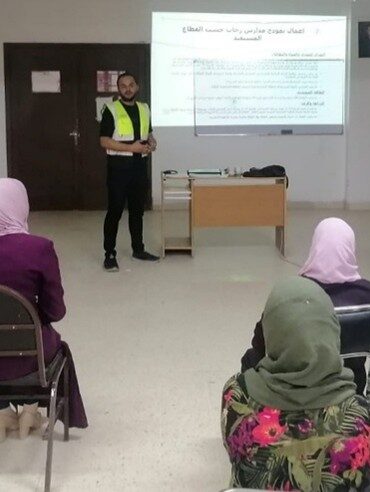
GIZ-CfW Project – Community Gardening and Public Parks Rehabilitation in Rihab and Djeineh, Al-Mafraq Governorate
Water-Wise Schools – Enhancing Living and Learning Conditions of Pupils and Teachers in Jordan